PCOS Treatment in NJ and NYC – Victory Medical Institute
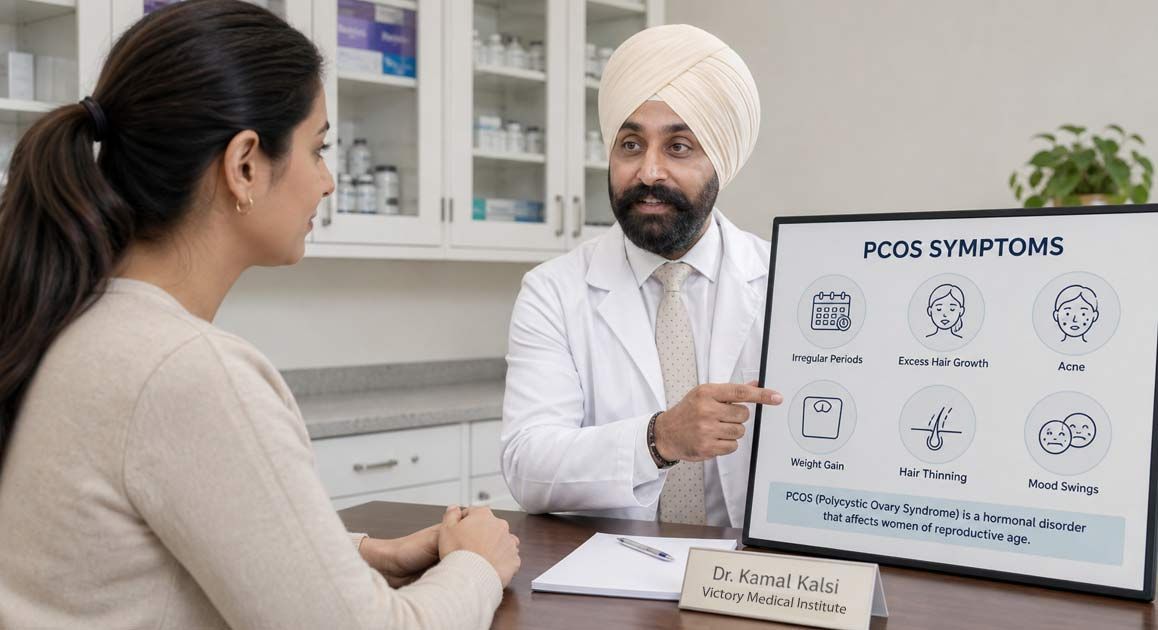
Polycystic Ovary Syndrome Treatments by Dr. Kamal Kalsi of the Victory Medical Institute in Morris Plains, New Jersey, and Manhattan, New York
What is Polycystic Ovary Syndrome?
Polycystic Ovary Syndrome (PCOS) is a common hormonal and metabolic condition that affects up to 1 in 10 women of reproductive age. It impacts not only menstrual cycles and fertility, but also metabolism, energy levels, skin, and long-term health. Many patients experience symptoms such as irregular periods, weight changes, fatigue, or acne without realizing they are part of a larger metabolic pattern. PCOS often develops gradually, making it difficult to identify early.
At Victory Medical Institute, we take a comprehensive, physician-led approach that evaluates hormonal, metabolic, and lifestyle factors contributing to PCOS. Our goal is to help patients better understand their condition and build a personalized plan to improve symptoms and long-term health. Dr. Kalsi focuses on how insulin resistance, inflammation, stress physiology, and lifestyle patterns contribute to PCOS. While standard medical care plays an important role, many patients benefit from a more detailed evaluation of metabolic and lifestyle factors. We also focus on restoring balance through regenerative, osteopathic, and integrative therapies that support the whole body.
At Victory Medical Institute, we integrate evidence-based medical care with personalized lifestyle, metabolic, and supportive therapies to help patients better manage symptoms and improve overall health.
PCOS Symptoms
PCOS symptoms can affect multiple systems in the body, often appearing gradually and changing over time. Many people notice shifts in their cycles, metabolism, skin, or mood without realizing these symptoms share a common root. These symptoms can feel unpredictable, making it difficult to understand what is happening internally.
- Irregular or absent menstrual cycles – These changes often reflect disruptions in ovulation caused by hormonal and metabolic imbalance. Cycles may lengthen, shorten, or disappear for months at a time.
- Weight fluctuations or difficulty losing weight – Insulin resistance can make it harder for the body to regulate energy and store fat efficiently. Some patients experience difficulty losing weight despite reasonable diet and exercise efforts, often related to insulin resistance.
- Fatigue and low energy – PCOS is often associated with insulin resistance, inflammation, and sleep disruption, which can affect energy levels.
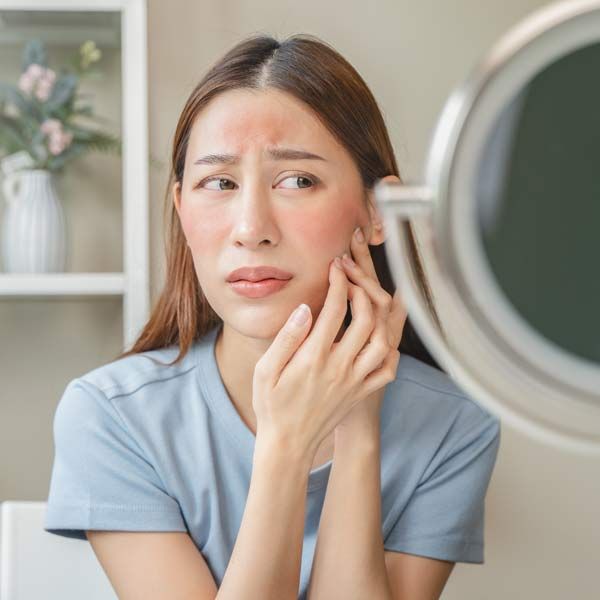
- Acne or oily skin – Elevated androgen levels can increase oil production and lead to persistent breakouts. These skin changes often appear along the jawline, chin, or back.
- Hair thinning or excess hair growth – Hormonal shifts can affect hair follicles in different ways. Some people experience scalp thinning while noticing increased hair growth on the face or body.
- Mood changes or irritability – Hormonal fluctuations can influence neurotransmitters that regulate mood. Stress and inflammation can intensify these emotional shifts.
These symptoms can impact daily comfort, confidence, and overall well‑being. Understanding the patterns behind them is the first step toward meaningful improvement. Victory Medical Institute helps patients identify the root causes behind their symptoms and create a plan that supports long‑term balance.
PCOS Causes
PCOS is a multifactorial condition influenced by genetics, hormonal signaling, and metabolic factors. While the exact cause is not fully understood, several key contributors are consistently associated with the condition.
- Insulin resistance – When the body struggles to use insulin effectively, it can trigger hormonal shifts that disrupt ovulation. This metabolic imbalance is one of the most common drivers of PCOS.
- Chronic inflammation – Low‑grade inflammation can interfere with hormone signaling and worsen metabolic stress. Over time, this can intensify symptoms like fatigue, weight changes, and irregular cycles.
- Genetic predisposition – PCOS often runs in families, suggesting a genetic component. However, lifestyle and environmental factors influence how strongly these genes express themselves.
- Adrenal hormone imbalance – Stress can elevate cortisol and DHEA levels, which may contribute to PCOS symptoms. These adrenal patterns often go unnoticed in standard evaluations.
- Environmental and lifestyle factors – Sleep disruption, nutrient deficiencies, and high stress can all influence hormonal and metabolic balance. These factors can make symptoms more intense or more frequent.
- Hormonal dysregulation – Increased androgen levels can interfere with ovulation and contribute to symptoms such as acne, hair growth, and irregular cycles.
By identifying the specific causes affecting each patient, Victory Medical Institute creates treatment plans that address the deeper patterns driving PCOS. This root‑cause approach helps patients understand why PCOS developed and how to support long‑term improvement.

Why PCOS Is Often Missed by Conventional Medicine
PCOS is frequently missed because symptoms vary widely and don't always appear together. Some people have irregular cycles but normal labs, while others have metabolic symptoms without reproductive changes. These variations make it difficult to identify PCOS solely based on standard testing.
Patients of traditional doctors are often told their symptoms are unrelated or "normal," even when their body is signaling a deeper imbalance. Standard evaluations may not always capture the full clinical picture, especially in early or mild cases where symptoms are present, but lab abnormalities are subtle. This can happen more often than not.
PCOS affects metabolic, hormonal, and inflammatory pathways at the same time, early patterns often fall outside the narrow criteria used in conventional evaluations.
At Victory Medical Institute, we look at patterns rather than isolated numbers, considering metabolism, inflammation, stress, and lifestyle factors. Our team uses a comprehensive evaluation to identify PCOS even when traditional markers are subtle. This approach helps patients finally understand the root of their symptoms and receive the support they've been missing.
How Dr. Kalsi Diagnoses PCOS
Diagnosing PCOS requires more than a single lab test or symptom checklist. We begin by reviewing your full health history, including cycle patterns, metabolic changes, stress levels, and lifestyle factors. Our team evaluates insulin resistance, inflammation, adrenal function, and nutrient status to understand how your body is operating as a whole. This helps us identify the underlying drivers of your symptoms.
PCOS is typically diagnosed using established medical criteria, such as the Rotterdam criteria, which require at least two of the following:
- Irregular or absent ovulation
- Clinical or laboratory signs of elevated androgens
- Polycystic ovarian morphology on ultrasound
Other conditions that can mimic PCOS are also evaluated and ruled out as part of a proper diagnosis.
While established criteria guide diagnosis, some patients present with early or atypical features that may not fully meet classic definitions. In these cases, a broader clinical and metabolic evaluation can help identify contributing factors. Victory Medical Institute uses a more comprehensive approach that considers hormonal rhythms, biomarkers, and the gut‑hormone connection.
We may use advanced testing to assess metabolism, insulin sensitivity, inflammation, and any nutrient imbalances that influence PCOS. This deeper evaluation allows us to create a personalized treatment plan that addresses the root causes of your condition.
PCOS Treatment Options at Victory Medical Institute
Treatment for PCOS focuses on improving metabolic health, regulating hormonal function, and reducing long-term health risks. Evidence-based care may include lifestyle interventions, nutritional optimization, and, when appropriate, medications such as metformin or hormonal therapy.
At Victory Medical Institute, we build personalized treatment plans that address contributing factors, including insulin resistance, inflammation, stress, and nutrient deficiencies. In addition to standard medical approaches, we may incorporate supportive therapies such as IV therapy, osteopathic care, targeted supplementation, and lifestyle interventions that support long-term stability. This whole‑body approach helps many patients feel more balanced, more energized, and more in control of their health.
Candidates for PCOS Treatments
Dr. Kalsi treats individuals experiencing symptoms such as irregular cycles, weight changes, fatigue, or metabolic shifts who want a deeper understanding of what their bodies are trying to communicate. This approach is particularly helpful for individuals who continue to experience symptoms despite normal or inconclusive lab results.
Many of our patients come to us after years of frustration, searching for answers that go beyond symptom management. Dr. Kansi is also for those who want a root-cause, integrative approach that considers hormones, metabolism, inflammation, and overall wellness.
It's especially helpful for people who feel overwhelmed by conflicting information about PCOS and want a clear, medically guided path forward. It's also for individuals who want to understand how regenerative and osteopathic treatments can support hormonal balance. Whether you've been recently diagnosed or suspect PCOS based on your symptoms, this page is meant to help you feel informed and supported. If you're ready for a more comprehensive, whole‑body approach, you're in the right place.
Why Patients Choose Victory Medical Institute
Patients choose Victory Medical Institute because we take a comprehensive, root‑cause, and systems-based approach to PCOS that goes beyond symptom management. Our team understands how hormones, metabolism, inflammation, and lifestyle factors interact, and we design treatment plans that address these systems together. Many patients come to us after years of frustration, searching for answers that standard care has not provided. We offer a supportive environment where patients feel heard, understood, and guided toward long‑term improvement.
Dr. Kalsi's integrative approach blends regenerative medicine, osteopathic care, metabolic repair, and nutritional optimization. We look at the whole person, not just isolated symptoms or lab results. Treatment plans are personalized, realistic, and designed to fit into daily life. Patients choose us because they want a team that treats them as partners in their healing and provides a structured, physician-guided plan tailored to each patient.
Local Care for PCOS in NJ and NYC
Victory Medical Institute provides PCOS treatment for patients throughout New Jersey and New York City, offering accessible care for individuals seeking a more advanced, integrative approach. We are conveniently located in Parsippany (Morris Plains), New Jersey, serving patients across Northern New Jersey and New York City. Many of our patients travel from Manhattan, Brooklyn, Queens, Staten Island, the Bronx, and Northern New Jersey for our regenerative and metabolic programs. Our location allows us to support patients who want personalized care that goes beyond standard protocols. We understand the fast‑paced lifestyle of the region and create treatment plans that fit into real‑world schedules.
Patients in the NJ and NYC area often face high stress, demanding work environments, and limited time for self‑care — all factors that can influence PCOS symptoms. Our team considers these regional lifestyle patterns when designing treatment strategies. Whether you live locally or commute to our office, we provide a supportive environment where you can focus on healing. Our goal is to make advanced PCOS care accessible, practical, and effective for the communities we serve.
PCOS FAQs Answered by Dr. Kamal Kalsi
- Why do some people with PCOS gain weight even when they eat very little? - Insulin resistance can alter how the body uses and stores energy, making weight changes feel unpredictable. Even with calorie restriction, underlying metabolic factors such as insulin resistance may make weight loss more difficult. Stress, inflammation, and disrupted sleep can intensify this metabolic pattern. We evaluate these deeper factors to understand why weight changes occur and how to correct them.
- Why do PCOS symptoms fluctuate so dramatically from month to month? - Hormones involved in PCOS respond to stress, sleep, inflammation, and metabolic changes. Even small lifestyle shifts can influence how the ovaries and adrenal glands behave. This creates cycles in which symptoms intensify, then ease, and then return. Understanding these patterns helps us design treatment plans that stabilize the hormonal environment.
- Why do some people with PCOS have normal hormone labs but still have symptoms? - Standard lab ranges are broad and may not reflect how your body actually feels. Hormones also fluctuate throughout the day, and a single blood draw may not capture the full picture. Metabolic and inflammatory factors can mimic or worsen PCOS symptoms even when hormone levels appear normal. We look at patterns, not just numbers, to understand what's really happening.
- Why does PCOS affect skin, hair, and mood at the same time? - Hormones influence multiple systems, including the skin, hair follicles, and neurotransmitters. When androgen levels shift or insulin resistance develops, these systems respond together. This is why acne, hair thinning, and mood changes often appear in clusters. Our approach addresses these interconnected pathways rather than treating each symptom separately.
- Why do some people with PCOS struggle with fatigue even when they sleep well? - Fatigue in PCOS is often tied to metabolic stress, inflammation, and disrupted cellular energy production. Even with adequate sleep, the body may not be efficiently converting nutrients into energy. Hormonal fluctuations can also affect cortisol rhythms, making mornings especially difficult. We evaluate these deeper patterns to help restore natural energy levels.
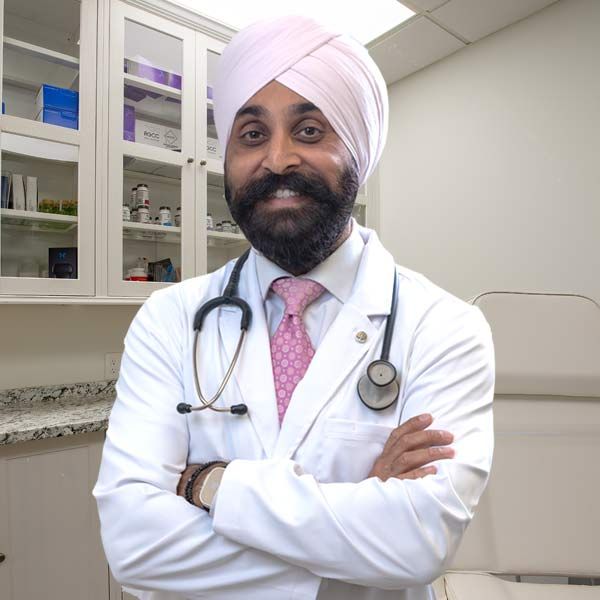
Contact Dr. Kamal Kalsi To Learn More About PCOS Treatments in NJ and NYC
PCOS is a complex condition, but with the right evaluation and guidance, it can be effectively managed. At Victory Medical Institute, we provide a comprehensive, physician-led approach focused on understanding your symptoms and building a personalized treatment plan.
If you are struggling with PCOS symptoms or looking for a more in-depth evaluation, contact our office to schedule a consultation and learn more about your options.
Please contact us today.
Additional References
- Polycystic Ovary Syndrome (PCOS) - Office on Women's Health, U.S. Department of Health & Human Services
- Diabetes and Polycystic Ovary Syndrome (PCOS) - Centers for Disease Control and Prevention