Hormone Imbalance Treatments at Victory Medical Institute

I built this practice around a simple belief that: 'I don't feel like myself' deserves a real answer. Not reassurance. Not a referral. A rigorous, personalized investigation — because that feeling is almost always the body's first signal that something deeper is off.
-Dr. Kamal S. Kalsi
Functional and Integrative Hormone Imbalance Care in Morris Plains, NJ, and Manhattan, NY
Hormone imbalances can affect every part of your physical, emotional, and cognitive well‑being. At Victory Medical Institute, Dr. Kamal S. Kalsi provides comprehensive, medically supervised treatment designed to identify the root cause of your symptoms and restore long‑term balance. Many patients come to us after years of feeling unheard or being told their symptoms are “normal,” even though they know something is off. Our goal is to help you regain energy, clarity, and vitality through personalized, evidence‑based care.
What Are Hormone Imbalances?
Hormones are chemical messengers that regulate metabolism, sleep, reproduction, cognition, motivation, stress response, and mood. When the body produces too much or too little of a specific hormone, even small disruptions can create significant symptoms. Imbalances may develop gradually due to aging, chronic stress, inflammation, or environmental exposures, or they may appear suddenly after illness or major life changes.
Many people experience hormone imbalances without realizing the underlying cause, attributing their symptoms to aging or lifestyle. Left untreated, these imbalances can interfere with daily functioning, emotional stability, and long‑term health. Both men and women are affected, though the patterns and symptoms may differ. With proper testing and individualized treatment, most hormone imbalances can be corrected or significantly improved.
Medical Conditions Related to Hormone Imbalances
Hormone imbalances often contribute to or worsen other medical conditions. Treating the underlying imbalance can significantly improve these issues.

Adrenal Fatigue
Adrenal fatigue is a state in which the adrenal glands struggle to keep up with chronic physical or emotional stress. It often develops after prolonged periods of overwork, illness, or sleep deprivation. Common symptoms include exhaustion, brain fog, salt cravings, dizziness, and difficulty waking in the morning. Patients may also experience irritability, low motivation, and weakened stress tolerance.
The condition is associated with disrupted cortisol rhythms and impaired adrenal hormone secretion. Many patients report worsening symptoms after caffeine, intense exercise, or skipped meals. Left untreated, it can progress into broader hormonal and metabolic dysfunction. Treatment with Dr. Kalsi helps restore adrenal balance, rebuild resilience, and improve daily energy.
Andropause
Andropause is the age‑related decline in testosterone production in men, typically beginning in the 40s or 50s. It leads to gradual hormonal shifts that affect metabolism, mood, and sexual health. Common symptoms include fatigue, low libido, erectile changes, weight gain, and reduced muscle mass. Men may also notice irritability, poor sleep, and decreased motivation.
Causes include natural aging, chronic stress, metabolic dysfunction, and environmental hormone disruptors. Andropause can also worsen cardiovascular risk factors and insulin resistance. Many men experience a significant drop in quality of life without realizing that hormones are the root cause.
Bone density loss is another common but often overlooked consequence of andropause, increasing the long-term risk of fractures and osteoporosis in aging men. Cognitive changes such as brain fog, difficulty concentrating, and memory lapses are also frequently linked to declining testosterone levels.
Unlike menopause, andropause develops slowly over years, making it easy to dismiss the symptoms as simply "getting older." Treatment with Dr. Kalsi helps restore vitality, strength, and hormonal balance safely.
Chronic Stress Disorders
Chronic stress disorders occur when the body remains in a prolonged fight‑or‑flight state, overwhelming the endocrine and nervous systems. This constant activation disrupts the production of cortisol, adrenaline, thyroid hormones, and sex hormones. Symptoms include anxiety, fatigue, sleep disturbances, digestive issues, and difficulty concentrating. Patients may also experience headaches, muscle tension, and emotional burnout.
Causes include long‑term work pressure, trauma, caregiving responsibilities, or unresolved health issues. Chronic stress can lead to inflammation, immune dysfunction, and hormonal imbalances. Over time, it contributes to adrenal fatigue and metabolic instability. Treatment with Dr. Kalsi helps regulate stress hormones and restore physiological balance.
Cortisol Imbalance (High or Low)
Cortisol imbalance occurs when the adrenal glands produce too much or too little cortisol throughout the day. High cortisol often causes anxiety, weight gain, insomnia, and elevated blood pressure. Low cortisol leads to fatigue, dizziness, low blood sugar, and poor stress tolerance. Patients may experience mood swings, cravings, and disrupted sleep cycles.
Causes include chronic stress, adrenal dysfunction, inflammation, and circadian rhythm disruption. Cortisol imbalance affects thyroid function, sex hormones, and immune health. Without correction, it can contribute to long‑term metabolic and emotional instability. Treatment with Dr. Kalsi helps normalize cortisol patterns and improve overall hormonal harmony.

DHEA Imbalances
DHEA (Dehydroepiandrosteroneis) is a foundational adrenal hormone that supports testosterone, estrogen, and overall vitality. Imbalances occur when levels are too low or excessively high due to stress, aging, or adrenal dysfunction. Low DHEA levels can cause fatigue, low libido, mood changes, and reduced resilience. High DHEA may contribute to acne, hair changes, or androgen excess.
Causes include chronic stress, adrenal fatigue, autoimmune conditions, and metabolic disorders. DHEA imbalance can disrupt reproductive hormones and worsen inflammation. Many patients experience accelerated aging symptoms when DHEA is depleted. Treatment with Dr. Kalsi helps restore optimal DHEA levels and improve hormonal stability.

Estrogen Dominance
Estrogen dominance occurs when estrogen levels are too high relative to progesterone. This imbalance affects women of all ages and can develop even when estrogen is technically “normal.” Symptoms include heavy periods, PMS, bloating, breast tenderness, and mood swings. Patients may also experience weight gain, headaches, and sleep disturbances.
Causes include chronic stress, poor detoxification, environmental estrogens, and progesterone deficiency. Estrogen dominance can worsen fibroids, endometriosis, and perimenopausal symptoms. Left untreated, it contributes to metabolic and emotional instability. Treatment with Dr. Kalsi helps rebalance estrogen safely and reduce symptoms.

High Testosterone
High testosterone can occur in both men and women, though it is more disruptive in women. Symptoms include acne, hair thinning, excess facial or body hair, and irregular periods. Patients may also experience mood swings, irritability, and weight gain around the abdomen. Causes include PCOS, insulin resistance, adrenal dysfunction, and genetic factors.
High testosterone disrupts ovulation, fertility, and metabolic health. It can also worsen inflammation and skin conditions. Early detection helps prevent long‑term reproductive complications. Treatment with Dr. Kalsi helps regulate androgen levels and restore hormonal balance.

Hyperthyroidism
Hyperthyroidism occurs when the thyroid gland produces excessive thyroid hormones. This speeds up metabolism and overstimulates multiple body systems. Symptoms include rapid heartbeat, anxiety, weight loss, heat intolerance, and tremors. Patients may also experience insomnia, irritability, and digestive changes.
Causes include Graves’ disease, thyroid nodules, inflammation, or autoimmune dysfunction. Hyperthyroidism can strain the heart and weaken bones if untreated. It often disrupts menstrual cycles and overall hormonal balance. Treatment with Dr. Kalsi helps stabilize thyroid function and safely reduce symptoms.

Hypothyroidism
Hypothyroidism occurs when the thyroid gland does not produce enough thyroid hormones. This slows metabolism and affects nearly every organ system. Symptoms include fatigue, weight gain, cold intolerance, dry skin, and hair loss. Patients may also experience depression, constipation, and menstrual irregularities.
Causes include Hashimoto’s disease, iodine deficiency, chronic stress, and autoimmune dysfunction. Hypothyroidism can worsen cholesterol levels, fertility issues, and cognitive function. Many patients go undiagnosed for years due to subtle symptoms. Treatment with Dr. Kalsi helps restore thyroid balance and improve daily energy.

Infertility (Hormone-Related)
Hormone‑related infertility occurs when imbalances disrupt ovulation, sperm production, or reproductive cycles. Common hormonal contributors include thyroid disorders, PCOS, low progesterone, high prolactin, and adrenal dysfunction. Symptoms may include irregular periods, anovulation, low libido, or difficulty conceiving. Patients may also experience fatigue, mood changes, or metabolic issues.
Causes include chronic stress, inflammation, endocrine disruptors, and underlying medical conditions. Hormonal infertility affects both men and women and often goes undetected without proper testing. Early intervention improves reproductive outcomes significantly. Treatment with Dr. Kalsi helps identify root causes and optimize fertility naturally.

Low Estrogen
Low estrogen commonly affects women during perimenopause, menopause, or after chronic stress. Symptoms include hot flashes, vaginal dryness, mood changes, and sleep disturbances. Patients may also experience low libido, joint pain, and cognitive fog. Causes include ovarian aging, excessive exercise, low body fat, or hormonal suppression.
Low estrogen can weaken bones, disrupt cardiovascular health, and impair metabolic function. It also contributes to emotional instability and reduced quality of life. Early evaluation helps prevent long‑term complications. Treatment with Dr. Kalsi helps restore estrogen balance and relieve symptoms effectively.
Low Progesterone
Low progesterone affects women of all ages and is especially common in the late 30s and 40s. Symptoms include PMS, anxiety, insomnia, irregular periods, and spotting. Patients may also experience infertility, mood swings, and breast tenderness. Causes include chronic stress, anovulation, perimenopause, and thyroid dysfunction.
Low progesterone disrupts the estrogen‑progesterone ratio, leading to estrogen dominance. It can also worsen sleep quality and emotional regulation. Many women experience worsening symptoms during the luteal phase. Treatment with Dr. Kalsi helps restore progesterone levels and improve hormonal balance.
Low Testosterone (Men and Women)
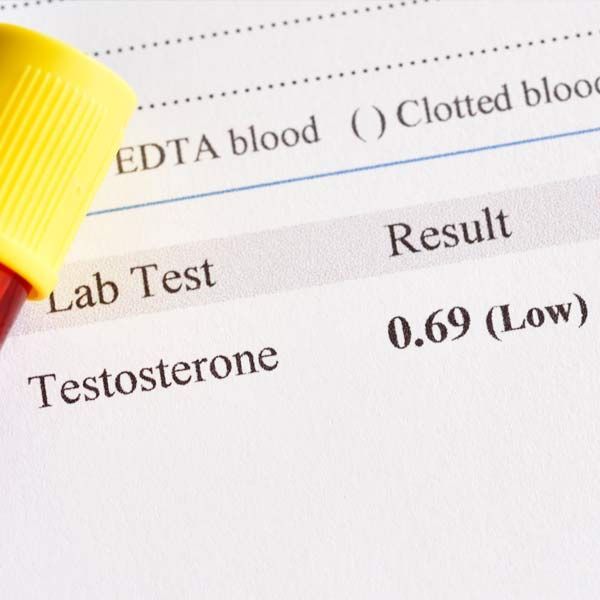
Low testosterone affects energy, metabolism, and sexual health in both men and women. Symptoms include fatigue, low libido, weight gain, and reduced muscle mass. Patients may also experience mood changes, brain fog, and decreased motivation. Causes include aging, chronic stress, metabolic disorders, and adrenal dysfunction.
Low testosterone can worsen bone density, cardiovascular health, and insulin sensitivity. It also contributes to emotional instability and reduced physical performance. Many patients do not realize their symptoms are hormone‑related. Treatment with Dr. Kalsi helps restore healthy testosterone levels safely.

Menopause and Perimenopause
Perimenopause is the transitional phase before menopause when hormone levels fluctuate unpredictably. Menopause occurs when menstrual cycles have not occurred for 12 consecutive months. Symptoms include hot flashes, night sweats, mood swings, sleep disturbances, and weight changes. Patients may also experience vaginal dryness, low libido, and cognitive fog.
Causes include natural ovarian aging and declining estrogen and progesterone. Hormonal shifts can affect bone density, cardiovascular health, and emotional well‑being. Many women experience significant changes in quality of life during this transition. Treatment with Dr. Kalsi helps stabilize hormone levels and make the transition more comfortable.
Polycystic Ovary Syndrome (PCOS)
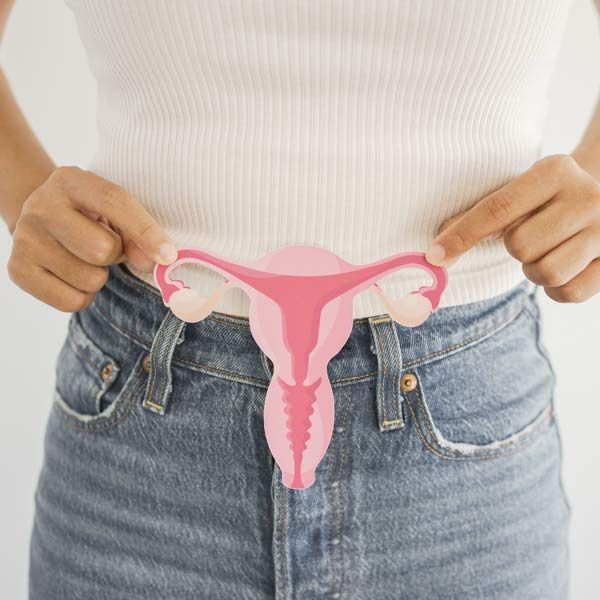
Polycystic Ovary Syndrome (PCOS) is a hormonal disorder affecting individuals with ovaries, characterized by a combination of symptoms related to hormonal imbalance and metabolism. One of the hallmarks of PCOS is the presence of small cysts on the ovaries, although not all individuals with the condition will have visible cysts. Common symptoms include irregular menstrual cycles, excessive hair growth (hirsutism), acne, weight gain, and difficulty conceiving.
The exact causes of PCOS are still unclear, but it is believed to involve genetic factors, insulin resistance, and hormonal imbalances, particularly elevated levels of androgens. Environmental factors, such as diet and lifestyle, may also play a role in the development and severity of the condition. Dr. Kalsi helps regulate hormones and improve metabolic health.
Learn more about PCOS Treatments.

Premenstrual Dysphoric Disorder (PMDD)
Premenstrual Dysphoric Disorder (PMDD) is a severe form of premenstrual syndrome that affects a small percentage of women during their reproductive years, typically occurring in the luteal phase of the menstrual cycle. Characterized by debilitating emotional and physical symptoms, PMDD can lead to significant impairment in daily functioning and quality of life.
Common emotional symptoms include intense mood swings, irritability, anxiety, and depression, while physical symptoms may encompass fatigue, bloating, and breast tenderness. The exact cause of PMDD is not fully understood, but it is believed to involve hormonal fluctuations and neurochemical changes in the brain, particularly related to serotonin. Treatment options often include lifestyle changes, medication, and therapy, tailored to the severity of symptoms experienced by the individual. Dr. Kalsi helps stabilize hormonal cycles and reduce severe symptoms.
Learn more about PMDD.
Thyroid Hormone Imbalances
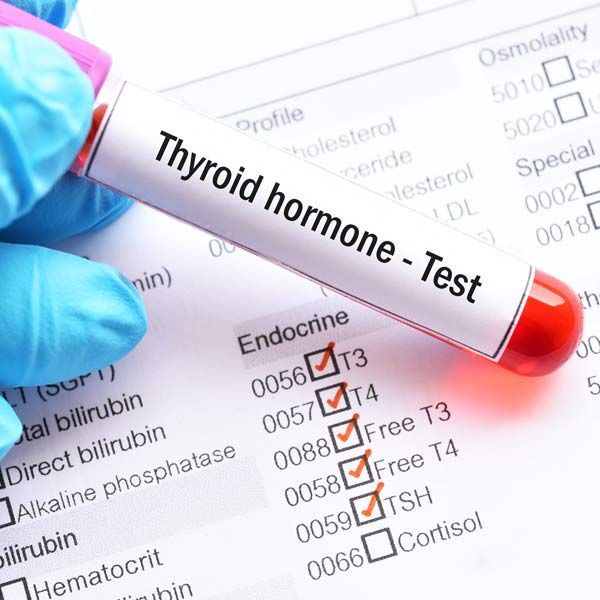
Thyroid hormone imbalances occur when T3 and T4 levels are too high or too low. These hormones regulate metabolism, energy, mood, and cardiovascular function. Symptoms vary widely and may include fatigue, weight changes, anxiety, hair loss, or temperature intolerance. Patients may also experience digestive issues, menstrual irregularities, and cognitive fog.
Causes include autoimmune disease, inflammation, nutrient deficiencies, and chronic stress. Thyroid imbalances often affect other hormones, including cortisol, estrogen, and progesterone. Early detection prevents long‑term metabolic and cardiovascular complications. Treatment with Dr. Kalsi helps restore thyroid balance and improve overall well‑being.
Common Symptoms of Hormone Imbalances
Hormone imbalances can look different for every person, and symptoms often shift depending on which hormones are affected. Fatigue and low energy are among the most common complaints, as disruptions in thyroid hormones, cortisol, and sex hormones can make even simple tasks feel exhausting. Many people also struggle with weight gain or difficulty losing weight because imbalances in insulin, thyroid hormones, estrogen, or cortisol can slow metabolism and increase fat storage. Emotional symptoms are equally common, with mood swings, anxiety, and irritability often tied to fluctuations in estrogen, progesterone, testosterone, and cortisol.
Sleep disturbances or insomnia may develop when melatonin, cortisol, or progesterone levels fall out of rhythm, disrupting the body’s natural sleep–wake cycle. Low libido or sexual dysfunction can occur when testosterone, estrogen, or progesterone levels shift, affecting desire and sexual function. Cognitive symptoms such as brain fog and difficulty concentrating may appear when hormonal changes interfere with memory, focus, and mental clarity.
Women may also experience irregular or painful menstrual cycles when estrogen and progesterone become imbalanced, leading to heavy periods, skipped cycles, or severe PMS. Hair loss or thinning hair is another common sign, often linked to thyroid dysfunction, high cortisol, or low sex hormones. Because these symptoms frequently overlap, proper testing is essential to identify the true hormonal root cause.
Common Causes of Hormone Imbalances
Hormone imbalances can stem from a wide range of internal and external factors. Chronic stress is one of the most common causes, as elevated cortisol disrupts the balance of thyroid hormones, insulin, and sex hormones. Aging plays a major role, particularly during perimenopause, menopause, and andropause. Environmental toxins, endocrine disruptors, and poor diet can interfere with hormone signaling.
Thyroid disorders, autoimmune conditions, and chronic inflammation further contribute to hormonal instability. Sleep deprivation and irregular circadian rhythms can alter cortisol and melatonin levels. Certain medications, including birth control and steroids, may also impact hormone production. Identifying the root cause is essential for creating a personalized and effective treatment plan.

Ideal Candidates for Treatment at Victory Medical Institute
Ideal candidates for hormone imbalance treatment are individuals experiencing persistent symptoms such as fatigue, weight changes, mood instability, or sleep disturbances. Patients who have been told their labs are “normal” but still feel unwell often benefit from a deeper functional evaluation.
Men and women undergoing age‑related hormonal changes, including menopause or andropause, are strong candidates. Individuals with thyroid disorders, adrenal dysfunction, or insulin resistance also benefit from targeted hormone support. Those exposed to chronic stress, environmental toxins, or poor sleep patterns may require hormonal optimization.
Patients seeking a natural, integrative approach rather than symptom‑based medication alone often find success with functional medicine. Anyone experiencing unexplained changes in libido, cognition, or menstrual cycles may also be a candidate. Treatment is always personalized based on symptoms, lab results, and health goals.
How Conventional Medicine Approaches Hormone Imbalances
Conventional medicine often focuses on symptom management rather than identifying the root cause. Patients may be prescribed antidepressants, sleep medications, birth control pills, or thyroid replacement without a comprehensive evaluation. Standard testing relies on limited lab panels that miss subtle dysfunctions.
Many patients are told their symptoms are due to aging or stress, leaving them without meaningful solutions. Conventional care rarely addresses lifestyle, nutrition, inflammation, or environmental factors. While medications can be helpful, they may not fully resolve the imbalance. This approach can leave patients feeling frustrated and unheard.
How Dr. Kamal Kalsi Treats Hormone Imbalances
Dr. Kalsi uses a functional and integrative approach that begins with advanced diagnostic testing to identify the precise hormonal disruptions affecting each patient. He evaluates thyroid function, adrenal health, sex hormones, insulin, inflammation markers, and nutrient deficiencies. Treatment may include Bioidentical Hormone Replacement Therapy (BHRT), thyroid optimization, adrenal support, IV nutrient therapy, peptide therapy, red light therapy, PEMF, laser therapy, hyperbarics and targeted supplementation. Lifestyle factors such as sleep, stress, diet, and environmental exposures are also addressed to support long‑term balance.
Dr. Kalsi uses only evidence‑based, medically supervised therapies tailored to each patient’s needs. His goal is to restore optimal hormone levels rather than simply masking symptoms. Patients receive ongoing monitoring to ensure safety and effectiveness. This comprehensive approach helps patients regain energy, clarity, and vitality.
Possible Side Effects of Treatment
Most patients tolerate hormone treatments well, especially when therapies are personalized and closely monitored. Mild side effects may include temporary changes in mood, sleep, or energy as hormone levels stabilize. Some individuals may experience mild bloating, breast tenderness, or skin changes. Adjustments to dosage or timing typically resolve these issues. Dr. Kalsi monitors all patients regularly to ensure safe and effective treatment. Side effects are generally minimal compared to the significant improvements most patients experience.
What Happens if Hormone Imbalances Are Left Untreated
Untreated hormone imbalances can worsen over time and lead to chronic fatigue, weight gain, and emotional instability. Long‑term estrogen or testosterone deficiencies may contribute to bone loss, cardiovascular issues, and cognitive decline. Thyroid dysfunction can impair metabolism, fertility, and mood. Insulin resistance may progress to diabetes and increase the risk of heart disease.
Chronic cortisol imbalance can weaken the immune system and disrupt sleep. Many patients experience declining quality of life as symptoms accumulate. Without treatment, hormonal disruptions can affect relationships, productivity, and overall well‑being. Early intervention helps prevent long‑term complications.
Patient Case Example
Maria, a 47‑year‑old woman, came to Dr. Kalsi after years of fatigue, stubborn weight gain, and mood swings severe enough to affect her relationships and her work. She had seen multiple physicians over the past several years who assured her that her labs were normal and her symptoms were “normal for her age.” She left every appointment with a referral or a prescription – but never an answer.
Dr. Kalsi began with a comprehensive diagnostic workup that went well beyond standard panels. Testing revealed low progesterone, elevated cortisol consistent with chronic HPA axis dysregulation, early insulin resistance, and significant micronutrient deficiencies that had gone undetected for years. For the first time, Maria had a clear picture of what was actually happening inside her body, and a roadmap to fix it.
Her personalized treatment plan combined Bioidentical Hormone Replacement Therapy to restore hormonal balance, targeted IV nutrient therapy to correct her deficiencies at the cellular level, adrenal support protocols, and red light therapy and PEMF to reduce systemic inflammation and support metabolic recovery. Every element was calibrated to her specific results and adjusted as her follow-up labs evolved.
Within six weeks, her sleep improved and the mood instability that had defined her days began to lift. By three months, her energy had returned and she was losing weight consistently for the first time in years. Her anxiety decreased, and she felt more emotionally balanced. After six months, she reported feeling better than she had in over a decade. Not just symptom-free, but genuinely well.
Her story isn’t unusual at VMI. It’s what happens when the right questions get asked, the right tests get run, and treatment is built around the patient – not the protocol.
Why Patients Choose Dr. Kamal Kalsi
Patients choose Dr. Kalsi because he combines the precision of emergency medicine with the holistic perspective of functional and integrative care. He takes the time to listen, understand symptoms, and investigate the underlying causes of hormonal dysfunction. His diagnostic approach, which uses epigenetic platforms, multi-omic aging clocks, and comprehensive biomarker panels, is far more comprehensive than standard testing, allowing him to identify subtle imbalances that others may overlook.
Dr. Kalsi uses evidence‑based therapies, including BHRT, IV nutrient therapy, peptide therapy, and advanced metabolic support. His treatment plans are personalized, medically supervised, and designed for long‑term success. Patients appreciate his compassionate, patient‑centered approach and his commitment to restoring optimal health. He provides ongoing monitoring to ensure safety and effectiveness. Many patients come to him after years of frustration and finally feel heard, supported, and empowered.

Contact Dr. Kamal Kalsi for a Consultation on Hormone Imbalance Treatments in New Jersey and Manhattan NY
Hormone imbalances can affect every aspect of your health, from energy and mood to metabolism and sleep. With the right testing and personalized treatment, these imbalances can be corrected, allowing you to regain control of your well‑being. Dr. Kamal Kalsi offers a comprehensive, integrative approach that addresses the root cause of your symptoms. His evidence‑based therapies help restore balance and support long‑term health.
Whether you are experiencing fatigue, weight changes, mood issues, or age‑related hormonal decline, effective treatment is available. Many patients experience life‑changing improvements within weeks of beginning care. You deserve to feel your best at every stage of life.
Contact Victory Medical Institute to begin your personalized hormone imbalance treatment plan.
Additional References
- Women's Health, Hormonal Balance, and Personal Autonomy - National Library of Medicine
- Hormones - Office of Women's Health