Heavy Metal Detox NJ - Dr. Kamal Kalsi
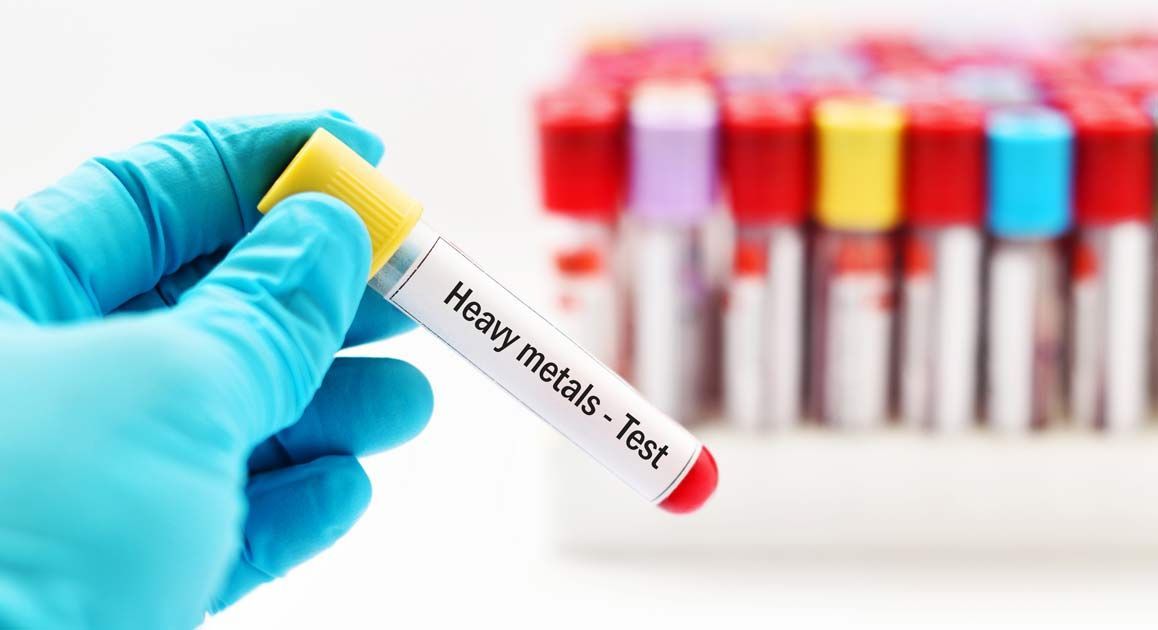
Heavy Metal Poisoning Treatment by Dr. Kamal Kalsi of the Victory Medical Institute in Morris Plains, New Jersey, and Manhattan, New York
As a physician who has spent years helping patients uncover the hidden causes of chronic symptoms, I understand how overwhelming it can feel when you suspect heavy metal exposure is affecting your health. Many of my patients come to me after months or even years of fatigue, brain fog, digestive issues, or unexplained inflammation that no one has been able to diagnose. At Victory Medical Institute, I use a comprehensive, integrative approach to identify the root cause of your symptoms and guide you through safe, effective detoxification to help you regain your energy, clarity, and quality of life.
-Dr. Kamal Kalsi
What Is Heavy Metal Exposure?
Heavy metal exposure occurs when toxic metals such as mercury, lead, arsenic, cadmium, or aluminum accumulate in the body faster than the body can eliminate them. These metals can enter through contaminated water, food, air, dental materials, occupational environments, or household products. Once inside the body, they bind to tissues, disrupt cellular function, and cause hormone imbalances, immune dysfunction, and neurological dysfunction. Heavy metal toxicity can be acute, such as from a sudden high‑level exposure, or chronic, developing slowly over years.
Many patients with chronic exposure experience vague symptoms that are often misdiagnosed as stress, aging, or unrelated conditions. Heavy metals can also worsen existing medical issues, making them harder to treat. Because these toxins accumulate in organs and tissues, they can remain in the body for decades without proper detoxification. Heavy metal exposure is a medically recognized condition that requires accurate testing and targeted treatment to restore long‑term health.
Common Symptoms of Heavy Metal Poisoning
Heavy metal exposure can affect nearly every system in the body, which is why symptoms often appear unrelated or confusing. Many patients experience chronic issues that worsen over time, especially when the exposure is ongoing or unrecognized. Understanding these symptoms is the first step toward identifying whether heavy metals may be contributing to your health concerns.
- Fatigue and Low Energy - Heavy metals interfere with mitochondrial function, which reduces the body’s ability to produce energy efficiently. Patients often describe feeling exhausted even after a full night’s sleep, with energy levels that continue to decline over time.
- Brain Fog and Cognitive Changes - Toxic metals can disrupt neurotransmitters and impair communication between brain cells. This often leads to difficulty concentrating, memory lapses, slowed thinking, and a general sense of mental cloudiness.
- Digestive Issues - Heavy metals can irritate the gastrointestinal tract and disrupt the microbiome. Patients may experience bloating, constipation, diarrhea, or chronic indigestion that does not improve with dietary changes.
- Headaches and Migraines - Neurological inflammation caused by heavy metals can trigger frequent headaches or migraines. These episodes often become more severe or more frequent as toxicity increases.
- Hormone Imbalances - Toxic metals can interfere with hormone regulation and neurotransmitter balance. This may lead to anxiety, irritability, mood swings, or symptoms that resemble depression.
- Joint and Muscle Pain - Heavy metals can trigger inflammation throughout the body, leading to persistent aches, stiffness, or pain that does not respond to typical treatments.
- Skin Problems - Rashes, itching, eczema, or unexplained skin irritation can occur when the body attempts to eliminate toxins through the skin. These symptoms often flare during periods of increased exposure.
- Numbness or Tingling - Neurotoxicity from metals such as mercury or lead can cause nerve irritation. Patients may feel tingling, burning, or numbness in the hands, feet, or face.
These symptoms often overlap with other conditions, which is why heavy metal exposure is frequently overlooked. A comprehensive evaluation with Dr. Kamal Kalsi can help determine whether toxic metals are contributing to your symptoms and guide you toward effective treatment.
Common Causes of Heavy Metal Exposure
Heavy metal exposure can occur through contaminated drinking water, especially in older homes with lead pipes or plumbing fixtures. Many patients are exposed to mercury through mercury‑containing dental fillings, which can release small amounts of vapor over time. Occupational environments such as construction, manufacturing, welding, or laboratory work can also increase exposure risk. Certain foods, including large fish such as tuna and swordfish, may contain elevated levels of mercury.
Household products, cosmetics, and personal care items can contain aluminum, cadmium, or other metals that accumulate in the body. Air pollution and industrial emissions can contribute to long‑term low‑level exposure. Some individuals are genetically less efficient at detoxifying heavy metals, making them more vulnerable to accumulation. Chronic exposure often goes unnoticed until symptoms become severe enough to interfere with daily life.
Types of Heavy Metal Exposure
- Mercury Toxicity - Mercury can come from dental fillings, seafood, or environmental pollution. It affects the brain, kidneys, and immune system and often causes neurological symptoms.
- Lead Poisoning - Lead exposure is common in older homes, contaminated water, and certain occupations. It can impair cognitive function, blood pressure, and neurological health.
- Arsenic Exposure - Arsenic may be found in contaminated water, soil, or certain foods. It can affect the skin, cardiovascular system, and immune function.
- Cadmium Toxicity - Cadmium exposure often comes from industrial environments or cigarette smoke. It can damage the kidneys, bones, and respiratory system.
- Aluminum Accumulation - Aluminum is found in cookware, cosmetics, and some medications. It may contribute to neurological symptoms and inflammation.

Who Should Consider an Evaluation by Dr. Kamal Kalsi
Patients who experience chronic fatigue, brain fog, or unexplained inflammation may benefit from heavy metal detoxification. Individuals with known occupational exposure, contaminated water, or dental materials are strong candidates for evaluation. Those with chronic conditions that have not improved with conventional treatment may also benefit from testing.
Patients with neurological symptoms such as tingling, memory issues, or headaches should be evaluated for toxicity. Individuals with autoimmune disorders or thyroid dysfunction may experience improvement when heavy metals are removed.
Anyone with long‑term digestive issues or skin problems may also be affected by toxic metals. Patients who have undergone previous detox programs without improvement may require a more targeted approach. Dr. Kamal Kalsi evaluates each patient individually to determine the safest and most effective treatment plan.
Related Medical Conditions That Dr. Kalsi Can Treat
Heavy metal exposure can worsen or mimic many chronic health conditions. Identifying and treating toxicity can significantly improve symptoms and overall wellness.
- Chronic Fatigue Syndrome - Heavy metals impair mitochondrial energy production, worsening fatigue and reducing stamina. Detoxification often leads to improved energy and resilience.
- Fibromyalgia - Toxic metals can trigger widespread inflammation and nerve irritation. Many patients experience reduced pain and improved mobility after detoxification.
- Autoimmune Disorders - Heavy metals can overstimulate or confuse the immune system. Removing these toxins may help reduce autoimmune flare‑ups and improve immune balance.
- Thyroid Disorders - Metals like mercury and cadmium can interfere with thyroid hormone production. Detoxification may support more stable thyroid function and symptom relief.
- Neurological Conditions - Brain fog, memory issues, and neuropathy can be linked to metal toxicity. Treatment often leads to clearer thinking and improved nerve function.
- Digestive Disorders - Heavy metals disrupt gut bacteria and irritate the digestive tract. Detoxification can help restore gut balance and reduce chronic digestive symptoms.
These conditions often improve significantly when heavy metal exposure is identified and addressed. Dr. Kamal Kalsi uses advanced testing and integrative therapies to support recovery and long‑term wellness.
How Conventional Medicine Treats Heavy Metal Exposure
Conventional medicine typically focuses on acute heavy metal poisoning, often using emergency chelation therapy when levels are dangerously high. Mild or chronic exposure is frequently overlooked because symptoms can mimic other conditions. Standard testing may not detect metals stored in tissues, leading to false reassurance. Treatment often stops once blood levels appear normal, even though metals may remain in organs.
Conventional care rarely addresses long‑term detoxification or cellular repair. Patients with chronic symptoms may be told their issues are unrelated or stress‑related. This approach can leave many individuals without answers or relief. Integrative evaluation provides a more comprehensive understanding of how metals affect long‑term health.
How Dr. Kamal Kalsi Treats Heavy Metal Exposure
Dr. Kamal Kalsi uses advanced diagnostic testing to identify both acute and chronic heavy metal accumulation. He evaluates blood, urine, and, when clinically appropriate, validated metal-specific testing to understand how metals are stored in the body. Treatment plans are personalized and may include targeted chelation therapy, nutritional support, and detoxification protocols. He focuses on supporting the liver, kidneys, and lymphatic system to safely eliminate toxins.
Dr. Kalsi also addresses inflammation, oxidative stress, and cellular damage caused by heavy metals. His integrative approach combines functional medicine with evidence‑based therapies to restore balance. Patients receive ongoing monitoring to ensure detoxification is safe and effective. This comprehensive method helps patients regain energy, clarity, and long‑term wellness.
Possible Side Effects of Treatment
Some patients may experience mild fatigue or headaches as the body begins releasing stored toxins. Digestive changes such as bloating or loose stools can occur during detoxification. Temporary skin irritation or rashes may appear as toxins exit through the skin. Some individuals may feel increased sensitivity or emotional fluctuations as the nervous system recalibrates. Hydration and nutritional support help minimize these effects. Dr. Kamal Kalsi monitors each patient closely to ensure detoxification remains safe and comfortable.

What Can Happen if Heavy Metal Poisoning is Left Untreated?
Untreated heavy metal exposure can lead to worsening neurological symptoms, including memory loss and cognitive decline. Chronic inflammation may increase the risk of autoimmune disorders or worsen existing conditions. Long‑term toxicity can impair thyroid function and disrupt hormone balance. Digestive issues may become more severe and resistant to treatment.
Heavy metals can weaken the immune system, making the body more vulnerable to infections. Cardiovascular health may decline due to increased oxidative stress. Kidney and liver function may deteriorate over time. Early detection and treatment are essential to prevent long‑term complications.
Heavy Metals Detoxification Patient Case Study
Karen, a 47‑year‑old woman, came to Dr. Kamal Kalsi after years of unexplained fatigue, headaches, and difficulty concentrating. She had visited multiple specialists, but her symptoms were repeatedly dismissed as stress or hormonal changes. During her evaluation, Dr. Kalsi learned that she had grown up in an older home with lead plumbing and had several mercury‑containing dental fillings. Comprehensive testing revealed elevated levels of lead and mercury stored in her tissues.
Dr. Kalsi created a personalized detoxification plan that included targeted chelation therapy, nutritional support, and liver‑supportive supplements. Over the next several months, Karen noticed her energy improving and her headaches becoming less frequent. Her cognitive clarity returned, and she felt more focused and productive. Follow‑up testing showed a significant reduction in heavy metal levels. Karen described the treatment as life‑changing and felt she finally understood the root cause of her symptoms. She continues to follow a maintenance plan to support long‑term wellness.
Why Patients Choose Dr. Kamal Kalsi
Patients choose Dr. Kamal Kalsi because he takes the time to understand their full health history and listens carefully to their concerns. His integrative approach combines advanced diagnostics with functional medicine to uncover the root cause of chronic symptoms. He provides personalized treatment plans tailored to each patient’s unique needs. Dr. Kalsi uses evidence‑based therapies that support long‑term healing rather than temporary symptom relief. His compassionate, patient‑centered care helps individuals feel supported throughout their detoxification journey.
Patients appreciate his expertise in identifying complex conditions that are often overlooked. His commitment to safety ensures detoxification is performed gradually and effectively. Many patients experience significant improvements in energy, clarity, and overall wellness under his care.

Contact Dr. Kamal Kalsi of Victory Medical Institute for a Heavy Metal Detoxification Consultation in New Jersey and NYC
Heavy metal exposure is a serious but often overlooked contributor to chronic health issues. With appropriate testing and treatment, some patients improve when a clinically significant exposure is identified and managed, but outcomes vary. in their symptoms and quality of life.
Dr. Kamal Kalsi offers a comprehensive, integrative approach to identifying and treating heavy metal toxicity. His personalized detoxification programs are designed to restore balance, support cellular healing, and promote long‑term wellness.
If you are experiencing unexplained symptoms or suspect heavy metal exposure, now is the time to take action. Victory Medical Institute provides advanced diagnostic tools and expert guidance to help you regain your health. Contact our office today to schedule a consultation with Dr. Kamal Kalsi.
Please contact us today.
Additional References
- Lead Poisoning Prevention – National Library of Medicine
- Mercury: Health Effects – Environmental Protection Agency (EPA)