Thyroid Hormone Imbalance Treatments by Dr. Kamal Kalsi

I understand how deeply thyroid symptoms can affect your daily life, energy, mood, and sense of well‑being. I want you to know that what you're feeling is real, and you deserve answers that go beyond quick fixes or surface-level treatments. We will uncover the root causes of your thyroid hormone imbalances and create a personalized, integrative plan that helps you feel like yourself again.
-Dr. Kamal Kalsi
Comprehensive Thyroid Hormone Imbalance Evaluation and Functional Treatment in Morris Plains, New Jersey, and Manhattan, New York
What Is Thyroid Hormone Imbalance?
A thyroid hormone imbalance occurs when the thyroid gland produces too much or too little of the hormones that regulate metabolism, energy, temperature, and cellular function. These hormones—primarily T3 and T4—act as chemical messengers that influence nearly every organ system in the body. When levels fall outside the optimal range, patients may experience symptoms that are subtle at first but become progressively more disruptive.
Thyroid hormone imbalances can stem from autoimmune conditions, chronic inflammation, nutrient deficiencies, or environmental triggers. They may also develop after pregnancy, major stress, or long-term illness. Because thyroid hormones interact with the brain, gut, cardiovascular system, and reproductive system, imbalances often present with wide-ranging symptoms. Many patients struggle for years without a clear diagnosis because conventional testing may overlook early dysfunction. With a functional and integrative approach, thyroid hormone imbalances can be identified earlier and treated more comprehensively.
Types of Thyroid Hormone Imbalances
Thyroid hormone imbalances can appear in several different forms, each affecting the body in unique ways. Some imbalances develop gradually and remain unnoticed for years, while others produce sudden and disruptive symptoms.
Understanding the different types of thyroid dysfunction helps patients recognize patterns, identify root causes, and receive the most appropriate treatment from Dr. Kalsi.
- Hypothyroidism – This condition occurs when the thyroid produces insufficient hormones, leading to fatigue, weight gain, and slowed metabolism. Treatment focuses on restoring hormone levels and supporting thyroid tissue through integrative and functional therapies.
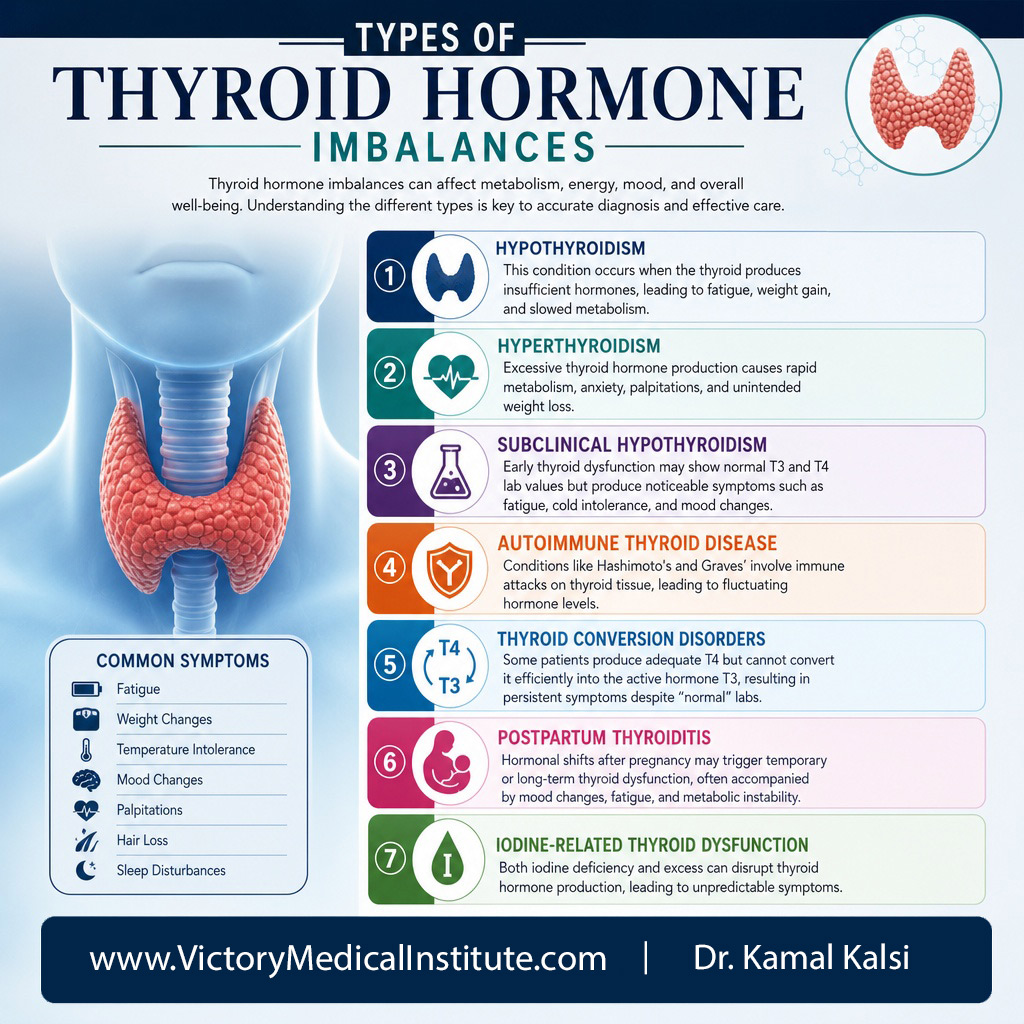
- Hyperthyroidism – Excessive thyroid hormone production causes rapid metabolism, anxiety, palpitations, and unintended weight loss. Functional care aims to calm hormone output, reduce inflammation, and stabilize the immune system.
- Subclinical Hypothyroidism – Early thyroid dysfunction may show normal T3 and T4 lab values but produce noticeable symptoms such as fatigue, cold intolerance, and mood changes. Integrative evaluation identifies subtle imbalances before they worsen and become more difficult to treat.
- Autoimmune Thyroid Disease – Conditions like Hashimoto's and Graves’ involve immune attacks on thyroid tissue, leading to fluctuating hormone levels. Treatment focuses on immune modulation, gut healing, and root-cause resolution to prevent long-term thyroid damage.
- Thyroid Conversion Disorders – Some patients produce adequate T4 but cannot convert it efficiently into the active hormone T3, resulting in persistent symptoms despite “normal” labs. Supporting liver, gut, and adrenal health improves conversion and restores optimal hormone activity.
- Postpartum Thyroiditis – Hormonal shifts after pregnancy may trigger temporary or long-term thyroid dysfunction, often accompanied by mood changes, fatigue, and metabolic instability. Early treatment helps stabilize hormone levels and support postpartum recovery.
- Iodine-Related Thyroid Dysfunction – Both iodine deficiency and excess can disrupt thyroid hormone production, leading to unpredictable symptoms. Functional testing helps ensure proper nutrient balance and prevent further thyroid disruption.
Thyroid hormone imbalances can be complex, but identifying the specific type is essential for effective treatment. Each imbalance requires a tailored approach that considers hormone levels, immune activity, nutrient status, and metabolic function. With Dr. Kalsi's integrative evaluation, patients receive precise diagnosis and targeted care that supports long-term thyroid health.
Common Symptoms of Thyroid Hormone Imbalances
Thyroid hormone imbalances can produce symptoms that vary widely from person to person, making them difficult to recognize without a thorough evaluation. Many patients experience symptoms that overlap with other conditions, leading to frustration and delayed treatment. Understanding these symptoms is the first step toward restoring balance and improving quality of life.
- Fatigue and Low Energy – Patients often describe a persistent sense of exhaustion that does not improve with rest. This fatigue can interfere with work, relationships, and daily functioning, making even simple tasks feel overwhelming.
- Weight Changes – Thyroid hormones directly influence metabolism, so imbalances may cause unexplained weight gain or difficulty losing weight. In cases of hyperthyroidism, patients may experience rapid weight loss despite normal or increased appetite.
- Mood Disturbances – Anxiety, depression, irritability, and emotional instability are common when thyroid hormones fluctuate. These symptoms occur because thyroid hormones affect neurotransmitter activity and brain chemistry.
- Hair Loss and Skin Changes – Many patients notice thinning hair, brittle nails, or dry, flaky skin. These changes reflect slowed cellular turnover and reduced nutrient absorption caused by thyroid dysfunction.
- Temperature Sensitivity – Feeling unusually cold or overheated can indicate thyroid imbalance. Hypothyroidism often causes cold intolerance, while hyperthyroidism may lead to excessive sweating and heat sensitivity.
- Digestive Issues – Constipation, diarrhea, bloating, and slowed digestion may occur when thyroid hormones disrupt gastrointestinal motility. These symptoms often overlap with gut microbiome imbalances.
- Menstrual Irregularities – Thyroid hormones play a major role in reproductive health, and imbalances may cause heavy periods, missed cycles, or fertility challenges. Hormonal fluctuations can also worsen PMS symptoms.
- Brain Fog and Cognitive Changes – Difficulty concentrating, memory lapses, and slowed thinking are common complaints. These cognitive symptoms often improve significantly once thyroid levels are stabilized.
Thyroid symptoms can be confusing, discouraging, and disruptive, but they are also highly treatable with the right approach. By identifying the underlying causes, patients can regain clarity, energy, and emotional stability. Dr. Kalsi provides comprehensive evaluations to ensure that no symptoms are overlooked.

Common Causes of Thyroid Hormone Imbalances
Thyroid hormone imbalances can arise from a variety of underlying factors, many of which are missed in conventional evaluations. Autoimmune conditions such as Hashimoto's thyroiditis and Graves' disease are among the most common causes, leading the immune system to attack thyroid tissue.
Chronic stress can also disrupt hormone production by altering cortisol levels and impairing thyroid conversion. Nutrient deficiencies—particularly iodine, selenium, zinc, and iron—may weaken thyroid function and reduce hormone synthesis.
Environmental toxins, including heavy metals and endocrine disruptors, can interfere with thyroid receptors and hormone signaling.
Gut inflammation and microbiome imbalances may impair nutrient absorption and trigger autoimmune responses. Pregnancy and postpartum hormonal shifts can also destabilize thyroid function. Additionally, genetic predispositions may increase susceptibility to thyroid dysfunction. Understanding these causes allows Dr. Kalsi to create a targeted, personalized treatment plan.
Related Medical Conditions That Can Be Treated
Thyroid hormone imbalances often coexist with other medical conditions that benefit from integrative treatment. Many patients experience overlapping symptoms that require a comprehensive approach to resolve fully. Addressing these related conditions can significantly improve overall health and long-term outcomes.
- Hashimoto's Thyroiditis – This autoimmune condition causes chronic inflammation of the thyroid gland and a gradual decline in hormone levels. Functional treatment focuses on immune regulation, gut healing, and inflammation reduction.
- Graves' Disease – Graves' disease leads to excessive thyroid hormone production and symptoms such as anxiety, palpitations, and weight loss. Treatment aims to calm immune overactivity and stabilize hormone output.
- Adrenal Fatigue and Cortisol Imbalance – Chronic stress can weaken adrenal function and disrupt thyroid hormone conversion. Supporting adrenal health helps restore energy, mood, and metabolic balance.
- Hormonal Imbalances in Women – Thyroid dysfunction often affects estrogen, progesterone, and testosterone levels. Treating thyroid imbalance can improve menstrual regularity, fertility, and menopausal symptoms.
- Gut Dysbiosis and Leaky Gut – Gut inflammation can trigger autoimmune thyroid conditions and impair nutrient absorption. Restoring gut health supports thyroid stability and immune balance.
- Metabolic Syndrome – Thyroid hormones influence blood sugar, cholesterol, and weight regulation. Treating thyroid imbalance can improve metabolic markers and reduce long-term health risks.
- Chronic Fatigue Syndrome – Many patients with chronic fatigue have underlying thyroid dysfunction. Addressing thyroid health can significantly improve stamina and daily functioning.
- Depression and Anxiety Disorders – Thyroid hormones affect neurotransmitter activity, and imbalances may worsen mood disorders. Treating thyroid dysfunction often leads to improved emotional well-being.
By treating related conditions alongside thyroid imbalance, patients experience more complete and lasting improvements. Dr. Kalsi's integrative approach ensures that every contributing factor is addressed.

Candidates for Thyroid Hormone Imbalance Treatments by Dr. Kamal Kalsi
Patients who experience persistent fatigue, weight changes, mood disturbances, or cognitive difficulties may be strong candidates for thyroid evaluation. Individuals who have been told their labs are "normal" but still feel unwell often benefit from a deeper functional assessment.
Those with autoimmune conditions, chronic inflammation, or gut issues may also be at higher risk for thyroid imbalance. Women experiencing menstrual irregularities, fertility challenges, or postpartum symptoms frequently require thyroid support.
Patients with a family history of thyroid disease should consider early screening. Individuals exposed to environmental toxins or chronic stress may develop thyroid dysfunction over time. Anyone seeking a holistic, root-cause approach rather than symptom-based treatment is an excellent candidate. Dr. Kalsi's integrative methods are ideal for patients who want comprehensive, personalized care.
How Conventional Medicine Treats Thyroid Hormone Imbalances
Conventional medicine typically relies on standardized blood tests and medication-based treatment protocols. Hypothyroidism is often treated with synthetic T4 hormone replacement, while hyperthyroidism may be managed with antithyroid drugs or radioactive iodine. Autoimmune thyroid conditions are generally monitored rather than actively treated. Many patients receive medication adjustments based solely on lab values rather than symptoms.
Conventional approaches overlook nutrient deficiencies, gut inflammation, or adrenal dysfunction. While medication can be helpful, it often does not address underlying causes. Patients who continue to experience symptoms despite treatment may require a more comprehensive approach.
How Dr. Kalsi Treats Thyroid Hormone Imbalances
Dr. Kalsi uses a functional, integrative approach that goes beyond basic lab testing and symptom management. He evaluates thyroid hormone levels, autoimmune markers, nutrient status, gut health, adrenal function, and environmental exposures. Treatment plans may include targeted supplementation, dietary changes, stress reduction strategies, and hormone-balancing therapies.
By addressing inflammation and immune dysfunction, he helps stabilize thyroid hormone production naturally. Patients receive personalized guidance based on their unique physiology and lifestyle. Dr. Kalsi focuses on restoring optimal thyroid function rather than simply normalizing lab values. His approach empowers patients to take an active role in their healing. Many individuals experience significant improvements in energy, mood, and metabolic health.
Possible Side Effects of Treatment
Some patients may experience temporary adjustments as their thyroid levels stabilize. Mild digestive changes may occur when introducing new supplements or dietary modifications. Individuals transitioning from synthetic hormones to integrative therapies may notice shifts in energy or mood. Detoxification protocols may cause short-term fatigue or headaches. Immune-modulating treatments can produce mild inflammatory responses as the body recalibrates. Most side effects are temporary and resolve as the body adapts to treatment.
What Can Happen if Left Untreated?
Untreated thyroid hormone imbalances can lead to worsening fatigue, weight changes, and emotional instability. Over time, metabolic dysfunction may increase the risk of cardiovascular disease and insulin resistance. Autoimmune thyroid conditions may progress, causing permanent damage to thyroid tissue.
Cognitive symptoms such as brain fog and memory issues may intensify. Women may experience fertility challenges or complications during pregnancy. Digestive issues may worsen due to slowed motility or chronic inflammation. Mood disorders may become more severe and difficult to manage. Early treatment helps prevent long-term complications and improves quality of life.
Patient Case Study
Summer, a 42-year-old woman, came to Dr. Kalsi after years of unexplained fatigue and weight gain. She had visited multiple doctors who told her that her thyroid labs were "normal," yet she continued to feel exhausted and discouraged. Summer also struggled with hair thinning, irregular periods, and persistent brain fog. After a comprehensive evaluation, Dr. Kalsi discovered early autoimmune thyroid markers and nutrient deficiencies. He created a personalized plan that included dietary changes, gut-healing protocols, and targeted supplementation.
Within six weeks, Summer noticed improvements in her energy and mental clarity. Her hair began to strengthen, and her menstrual cycle became more regular. Over the next few months, her weight stabilized and her mood improved significantly. Summer felt empowered by understanding the root causes of her symptoms. She continues to work with Dr. Kalsi to maintain long-term thyroid health. Her story reflects the transformative impact of integrative care.
Why Patients Choose Dr. Kamal Kalsi
Patients choose Dr. Kalsi because he listens deeply and takes their symptoms seriously. His integrative approach uncovers root causes that conventional medicine often overlooks. He provides personalized treatment plans tailored to each patient's unique physiology. Dr. Kalsi combines medical expertise with functional and holistic therapies for comprehensive care.
His patients appreciate the time he spends explaining their results and guiding them through each step. Many individuals experience significant improvements after years of frustration with traditional approaches. His compassionate, patient-centered care builds trust and confidence. Dr. Kalsi is committed to helping patients reclaim their health and vitality.
Patient FAQs on Thyroid Hormone Imbalances
- Can thyroid imbalances fluctuate over time? Yes, thyroid hormone levels can fluctuate depending on stress, inflammation, immune activity, nutrient status, and lifestyle factors. Many patients experience periods where symptoms worsen or improve before a clear diagnosis is made. These fluctuations are common and often indicate underlying issues that require a deeper functional evaluation.
- Do thyroid issues always show up on standard blood tests? No, many early thyroid imbalances do not appear on basic lab panels, especially when only TSH is tested. Subclinical hypothyroidism, conversion disorders, and autoimmune activity may be missed without a full thyroid panel. Functional testing provides a more detailed picture and can detect problems long before they become severe.
- Can stress alone trigger thyroid dysfunction? Yes, chronic stress can significantly disrupt thyroid hormone production and conversion. Elevated cortisol levels interfere with how the thyroid communicates with the rest of the body. Over time, stress can contribute to both hypothyroid and hyperthyroid symptoms, especially when adrenal fatigue is also present.
- Is it possible to improve thyroid health without medication? In some cases, yes—especially when imbalances are mild, early, or related to lifestyle, nutrient deficiencies, or inflammation. Dietary changes, targeted supplementation, gut healing, stress reduction, and hormone-balancing therapies can support thyroid function naturally. Medication may still be necessary for some patients, but integrative care often reduces symptoms and improves overall thyroid stability.
- How long does it take to feel better after starting treatment? Most patients begin noticing improvements within a few weeks, especially in energy, mood, and cognitive clarity. More complex cases involving autoimmune activity or long-term imbalance may take several months to stabilize. With consistent treatment, patients typically experience steady, meaningful progress over time.

Contact Dr. Kamal Kalsi of Victory Medical Institute for Thyroid Hormone Imbalance Consultation in Manhattan, NYC or New Jersey
Thyroid hormone imbalances can affect every aspect of your life, but they are highly treatable with the right approach. Dr. provides comprehensive, integrative care that identifies root causes and supports long-term healing.
His personalized evaluations ensure that no symptoms or contributing factors are overlooked. Patients often experience renewed energy, improved mood, and better metabolic balance.
If you have been struggling with unexplained symptoms, now is the time to seek answers. Functional thyroid treatment can help you regain control of your health and well-being. Dr. Kalsi is here to guide you every step of the way.
Contact Victory Medical Institute today to schedule your consultation.