Perimenopause Treatments by Dr. Kamal Kalsi

Dr. Kamal Kalsi listens to a patient explain her perimenopause symptoms.
I truly understand how confusing and disruptive perimenopause can feel, especially when symptoms appear suddenly or fluctuate from week to week. Many women tell me they feel unheard or dismissed, even though their symptoms are affecting their sleep, mood, relationships, and daily comfort. I want you to know that perimenopause is a real hormonal transition. With complementary, functional, and integrative treatments, we can identify the root causes of your symptoms and help you regain balance, clarity, and confidence.
-Dr. Kamal Kalsi
Functional and Integrative Perimenopause Support and Hormone Balancing in Morris Plains, New Jersey, and Manhattan, New York
What Is Perimenopause?
Perimenopause is the transitional phase leading up to menopause, marked by fluctuating hormone levels and irregular menstrual cycles. It typically begins in a woman's 40s, but some may experience symptoms as early as their mid‑30s. During this stage, estrogen and progesterone levels rise and fall unpredictably, creating a wide range of physical and emotional symptoms. Perimenopause can last anywhere from a few months to more than ten years, depending on genetics, lifestyle, and overall health.
Many women experience symptoms long before their periods stop, making it difficult to recognize what is happening. Because hormone fluctuations affect multiple systems in the body, perimenopause can mimic thyroid disorders, adrenal fatigue, or mood disorders. Conventional medicine often overlooks early perimenopause, leaving women without answers. With functional and integrative care, perimenopause can be managed effectively, allowing women to feel supported and empowered throughout the transition.
Types of Perimenopause
Perimenopause can present in several different forms, each shaped by the intensity of hormonal fluctuations and how the body responds to them.
Some women experience subtle changes that develop slowly, while others face sudden, disruptive symptoms that affect daily life.
Understanding the different types of perimenopause helps women recognize where they are in the transition and allows Dr. Kalsi to tailor treatment with greater precision.
- Early Perimenopause – Begins with subtle cycle changes and mild symptoms such as occasional mood shifts or slight variations in menstrual flow. Functional care helps stabilize hormones before symptoms intensify and supports long-term balance.
- Mid Perimenopause – Characterized by more noticeable symptoms such as hot flashes, mood swings, sleep disturbances, and heavier or lighter periods. Treatment focuses on balancing hormones, reducing inflammation, and supporting adrenal and thyroid function.
- Late Perimenopause – Occurs when cycles become widely spaced, and symptoms intensify, often including more frequent hot flashes, increased fatigue, and greater emotional sensitivity. Support during this stage helps ease the transition into menopause and reduces long-term discomfort.
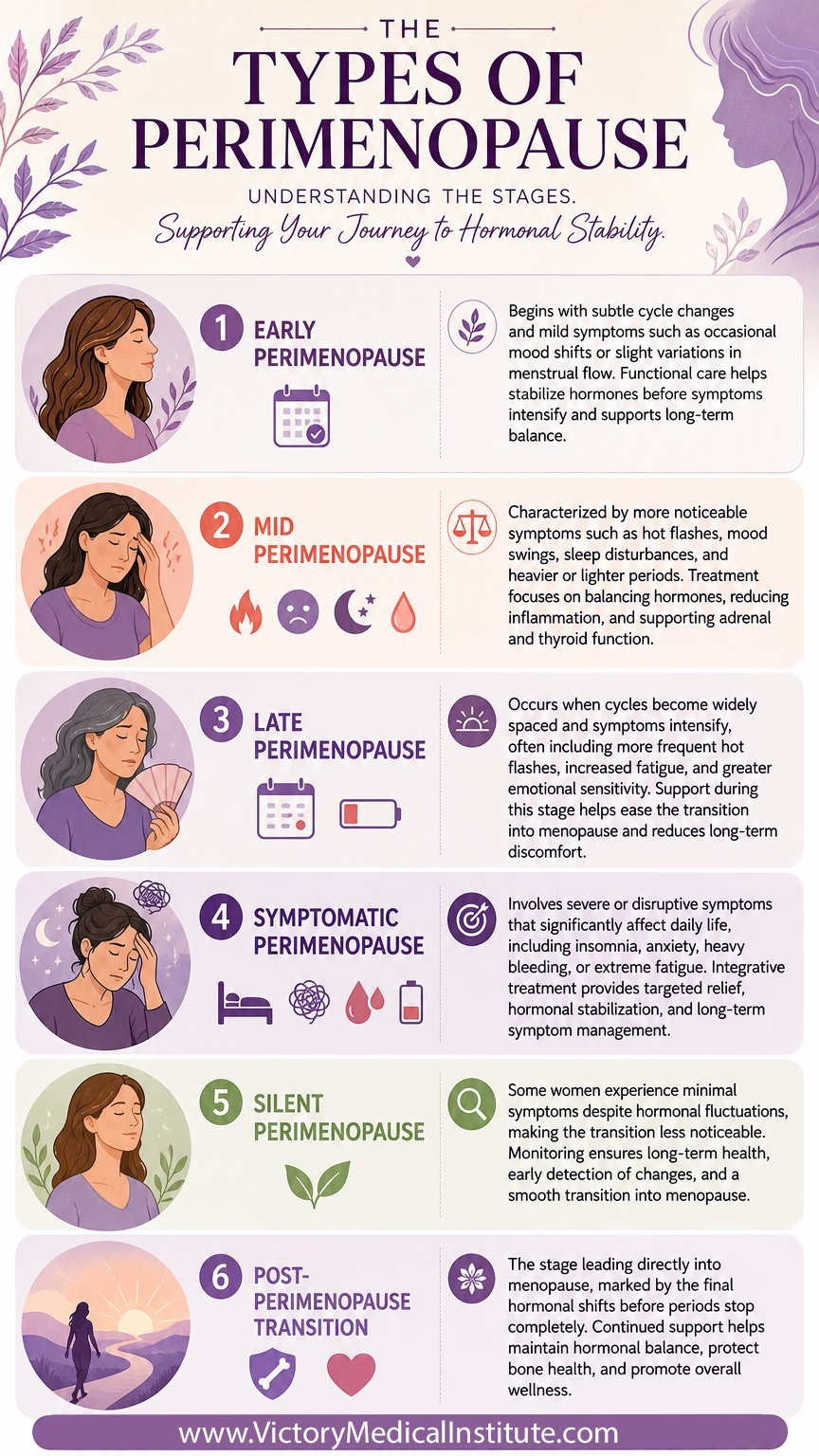
- Symptomatic Perimenopause – Involves severe or disruptive symptoms that significantly affect daily life, including insomnia, anxiety, heavy bleeding, or extreme fatigue. Integrative treatment provides targeted relief, hormonal stabilization, and long-term symptom management.
- Silent Perimenopause – Some women experience minimal symptoms despite hormonal fluctuations, making the transition less noticeable. Monitoring ensures long-term health, early detection of changes, and a smooth transition into menopause.
- Post-Perimenopause Transition – The stage leading directly into menopause, marked by the final hormonal shifts before periods stop completely. Continued support helps maintain hormonal balance, protect bone health, and promote overall wellness.
Perimenopause is not a one-size-fits-all experience, and each type reflects a unique hormonal pattern. Recognizing these variations allows women to better understand their symptoms and seek care that aligns with their needs. With Dr. Kalsi’s integrative approach, every stage of perimenopause can be managed with clarity, comfort, and confidence.
Common Symptoms of Perimenopause
Perimenopause symptoms can vary widely and often change from month to month. Many women experience multiple symptoms at once, making the transition feel unpredictable and overwhelming. Understanding these symptoms helps women recognize patterns and seek timely support.
- Irregular Menstrual Cycles – Cycles may become shorter, longer, heavier, or lighter due to fluctuating hormone levels. These changes can be confusing and may cause concern when they occur suddenly.
- Hot Flashes and Night Sweats – Sudden waves of heat can disrupt sleep, concentration, and daily comfort. They occur when fluctuations in estrogen affect the body’s temperature-regulation system.
- Mood Swings and Irritability – Hormonal changes can affect neurotransmitter levels, leading to anxiety, irritability, or emotional sensitivity. Many women report feeling unlike themselves during this stage.
- Sleep Disturbances – Difficulty falling asleep or staying asleep is common, especially when night sweats occur. Poor sleep can worsen fatigue, mood changes, and cognitive symptoms.
- Weight Gain and Metabolic Changes – Slower metabolism and shifts in fat distribution may occur as hormone levels fluctuate. These changes can be frustrating, especially when lifestyle habits remain the same.
- Brain Fog and Memory Issues – Many women experience forgetfulness, difficulty concentrating, or slowed cognitive processing. These symptoms often improve with hormonal balance and lifestyle support.
- Breast Tenderness – Hormonal surges can cause breast swelling, discomfort, or sensitivity. These symptoms may come and go unpredictably.
- Decreased Libido – Lower hormone levels can affect sexual desire and responsiveness. Addressing hormonal balance often restores comfort and confidence.
Perimenopause symptoms can feel overwhelming, but they are highly treatable with the right approach. By identifying hormonal patterns and supporting the body's natural balance, women can regain energy, emotional stability, and physical comfort. Dr. Kalsi provides comprehensive evaluations to ensure every symptom is addressed with precision and care.
Common Causes of Perimenopause
Perimenopause is caused by the gradual decline and fluctuation of ovarian hormone production, especially estrogen and progesterone. As the ovaries begin transitioning toward menopause, hormone levels rise and fall unpredictably, creating physical and emotional symptoms.
Stress, inflammation, and lifestyle factors can intensify these fluctuations and worsen symptoms. Genetics play a major role in determining when perimenopause begins and how long it lasts. Environmental toxins and endocrine disruptors may interfere with hormone signaling and exacerbate symptoms.
Thyroid dysfunction and adrenal fatigue can mimic or worsen perimenopausal changes. Gut health also influences estrogen metabolism, making digestive issues a contributing factor. Understanding these causes allows Dr. Kamal Kalsi to create targeted treatment plans that support long-term hormonal stability.
Related Medical Conditions That Can Be Treated at the Victory Medical Institute
Many women experience medical conditions that overlap with perimenopause or worsen during hormonal transitions. Addressing these related conditions can significantly improve overall well-being and symptom relief. Functional and integrative care ensures that all contributing factors are treated comprehensively.
- Hormonal Imbalances – Fluctuating levels of estrogen, progesterone, and testosterone can disrupt multiple systems. Balancing hormones improves mood, metabolism, sleep, and cognitive function.
- Thyroid Disorders – Thyroid dysfunction often mimics perimenopause symptoms. Supporting thyroid health enhances energy, metabolic stability, and emotional well-being.
- Adrenal Fatigue – Chronic stress weakens adrenal function, intensifying hot flashes, fatigue, and mood swings. Treating adrenal imbalance supports overall hormonal harmony.
- Premenstrual Syndrome (PMS) – Hormonal fluctuations can worsen PMS symptoms during perimenopause. Integrative treatment helps stabilize cycles and reduce discomfort.
- Sleep Disorders – Insomnia and disrupted sleep patterns are common during perimenopause. Addressing root causes improves rest, energy, and cognitive clarity.
- Anxiety and Depression – Hormonal changes can significantly affect emotional stability. Functional treatment supports neurotransmitter balance and emotional resilience.
- Metabolic Syndrome – Perimenopause increases the risk of insulin resistance and weight gain. Treating metabolic dysfunction improves long-term cardiovascular health.
- Fibroids and Endometriosis – Hormonal fluctuations can worsen symptoms of these conditions. Supporting hormonal balance helps reduce pain and inflammation.
Treating related conditions ensures that perimenopause care is comprehensive and effective. Dr. Kalsi's integrative approach supports the entire hormonal system, not just isolated symptoms.

Candidates for Perimenopausal Treatments by Dr. Kamal Kalsi
Women experiencing irregular cycles, mood changes, sleep disturbances, or unexplained fatigue are excellent candidates for perimenopause evaluation. Those who feel dismissed or unsupported by conventional care often benefit from a deeper functional assessment. Individuals with thyroid dysfunction, adrenal fatigue, or metabolic changes may require comprehensive hormonal support.
Women experiencing early or severe symptoms may need targeted treatment to stabilize hormone fluctuations. Patients seeking natural, complementary, or non-pharmaceutical options are ideal candidates for integrative care.
Women who want personalized treatment rather than standardized protocols benefit greatly from Dr. Kalsi's approach. Individuals experiencing cognitive changes, weight gain, or decreased libido may require hormonal optimization. Anyone seeking long-term wellness and hormonal balance can find relief through functional perimenopause care.
How Conventional Medicine Treats Perimenopause
Conventional medicine often treats perimenopause by addressing symptoms individually rather than supporting overall hormonal balance. Irregular cycles may be treated with birth control pills, while mood changes may be addressed with antidepressants. Hot flashes may be managed with medications that do not address underlying hormonal fluctuations.
Many conventional approaches rely on standardized protocols rather than personalized evaluations. Nutrient deficiencies, adrenal function, and thyroid health are often overlooked. While conventional treatments can be helpful, they may not address root causes or long-term wellness. Women who continue to experience symptoms often seek integrative care for more comprehensive support.
How Dr. Kamal Kalsi Treats Perimenopause
Dr. Kamal Kalsi uses a functional, integrative approach that evaluates the entire hormonal ecosystem. He assesses estrogen, progesterone, testosterone, thyroid function, adrenal health, gut balance, and nutrient status. Treatment plans may include bioidentical hormone support, targeted supplementation, dietary changes, stress reduction strategies, and lifestyle optimization. By addressing inflammation and metabolic changes, he helps stabilize hormonal fluctuations naturally.
Patients receive personalized guidance tailored to their unique physiology and symptoms. Dr. Kalsi focuses on restoring balance rather than masking symptoms. His approach empowers women to understand their bodies and take control of their health. Many patients experience significant improvements in energy, mood, sleep, and overall well-being.
Possible Side Effects of Treatment
Some women may experience temporary adjustments as their hormones stabilize. Mild digestive changes may occur when introducing new supplements or dietary modifications. Hormone-balancing therapies may cause short-term shifts in mood or energy.
Detoxification protocols can lead to temporary fatigue or headaches. Bioidentical hormone therapy may produce mild breast tenderness or spotting during early adjustment. Most side effects are temporary and resolve as the body adapts to treatment.
What Can Happen if Perimenopause Left Untreated?
Untreated perimenopause symptoms can significantly impact daily life and long-term health. Chronic sleep disturbances may lead to fatigue, mood instability, and cognitive decline. Weight gain and metabolic changes can increase the risk of diabetes and cardiovascular disease. Emotional symptoms such as anxiety and depression may intensify.
Hot flashes and night sweats may become more disruptive over time. Irregular cycles may worsen, causing heavy bleeding or discomfort. Vaginal dryness and discomfort can affect intimacy and quality of life. Early treatment helps prevent long-term complications and supports overall wellness.
Patient Case Study
Jennifer, a 46-year-old woman, came to Dr. Kalsi after months of unpredictable cycles, intense mood swings, and chronic insomnia. She felt overwhelmed, exhausted, and unsure of what was happening to her body. Despite multiple visits to her primary doctor, she was told her symptoms were "normal" and offered only sleep medication. Jennifer wanted a deeper understanding of her hormonal changes. After a comprehensive evaluation, Dr. Kalsi discovered adrenal fatigue, early thyroid imbalance, and nutrient deficiencies contributing to her symptoms. He created a personalized plan including bioidentical hormone support, targeted supplementation, and stress-reduction strategies.
Within four weeks, Jennifer noticed improvements in her sleep and emotional stability. Her cycles became more predictable, and her hot flashes decreased significantly. Over the next few months, her energy returned, and she regained confidence in her body's ability to heal. Jennifer continues to work with Dr. Kalsi to maintain long-term hormonal balance. Her story reflects the transformative power of integrative perimenopause care.
Why Patients Choose Dr. Kamal Kalsi
Patients choose Dr. Kalsi because he listens deeply and takes their symptoms seriously. His integrative approach uncovers root causes that conventional medicine often overlooks. He provides personalized treatment plans tailored to each woman's unique hormonal profile. Dr. Kalsi combines medical expertise with functional therapies for comprehensive care. His patients appreciate the time he spends explaining results and guiding them through each step. Many women experience significant improvements after years of frustration with traditional approaches. His compassionate, patient-centered care builds trust and confidence. Dr. Kalsi is committed to helping women navigate perimenopause with clarity, comfort, and long-term wellness.
Perimenopause Patient FAQs
- Can perimenopause begin earlier than expected? Yes, some women begin experiencing symptoms in their mid‑30s due to genetics, stress, or hormonal imbalances.
- Can perimenopause affect digestion? Yes, hormonal fluctuations can influence gut motility, microbiome balance, and nutrient absorption.
- Does perimenopause always lead to severe symptoms? No, some women experience mild or minimal symptoms, while others have more intense changes.
- Can perimenopause impact heart health? Yes, fluctuating estrogen levels can influence cholesterol, blood pressure, and cardiovascular function.
- Is perimenopause reversible? No, perimenopause is a natural transition, but symptoms can be significantly reduced with proper care.

Contact Dr. Kamal Kalsi at Victory Medical Institute in New Jersey and Manhattan, NYC, and Schedule a Perimenopause Treatment Consultation
Perimenopause is a natural hormonal transition, but it does not have to disrupt your life or diminish your well-being. With functional and integrative care, you can navigate this stage with clarity, comfort, and confidence.
Dr. Kamal Kalsi provides comprehensive evaluations that uncover root causes and support long-term hormonal balance. His personalized approach ensures that every symptom is addressed with precision and care. Many women experience renewed energy, improved mood, better sleep, and restored vitality.
If you have been struggling with perimenopause symptoms, now is the time to seek answers and support. You deserve to feel healthy, empowered, and in control of your body.
Contact Victory Medical Institute today to schedule your consultation.
Additional References
- Perimenopause and Menopause - Office on Women's Health
- FDA Expert Panel on Menopause and Hormone Replacement Therapy for Women - FDA