
Red Light Therapy in NJ and NYC - Victory Medical Institute
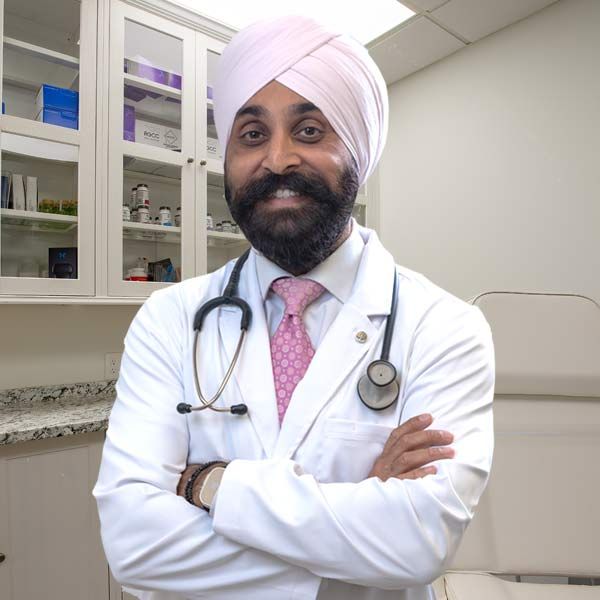
"Targeted photobiomodulation gives us a practical, non-invasive way to support cellular energy where patients need recovery most. When we pair multi-wavelength light therapy with a thorough medical evaluation, it fits seamlessly into personalized care plans in both New Jersey and New York."
-Dr. Kamal S. Kalsi, D.O.,
Board-Certified Physician in Emergency Medicine
Chief Medical Officer at Victory Medical Institute
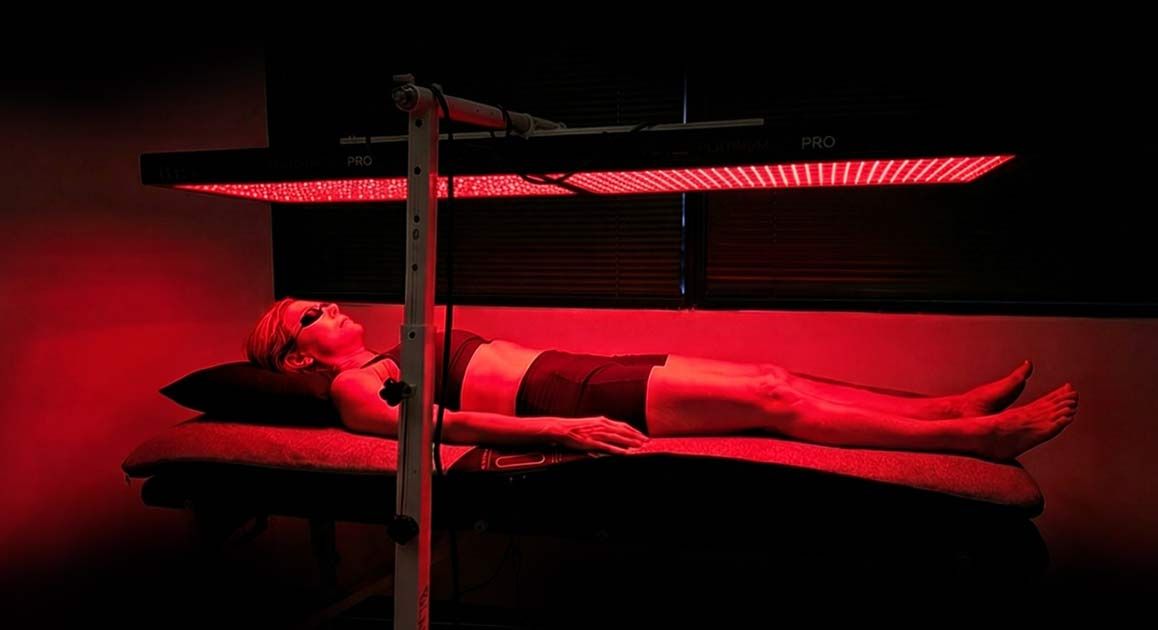
Medical Grade Red Light Therapy and Photobiomodulation Serving Patients in Morris Plains, New Jersey, and Manhattan, New York
What Is Red Light Therapy and Photobiomodulation?
Red Light Therapy, clinically known as photobiomodulation (PBM), is a non-invasive treatment that uses specific wavelengths of visible red and invisible near-infrared light to support cellular activity. Unlike ultraviolet light, red and near-infrared wavelengths do not tan or burn the skin. Instead, cells absorb light energy through light-sensitive structures inside mitochondria, supporting normal adenosine triphosphate (ATP) energy production, microcirculation, and tissue repair.
At Victory Medical Institute, sessions use PlatinumLED BIOMAX multi-wavelength panels that deliver a synchronized spectrum (480nm, 630nm, 660nm, 810nm, 830nm, 850nm, and 1060nm) across blue, red, and near-infrared bands. High-output clinical panels give practitioners consistent control over treatment distance, session timing, and targeted exposure compared to low-power home gadgets.
How Does Red Light Therapy Work?
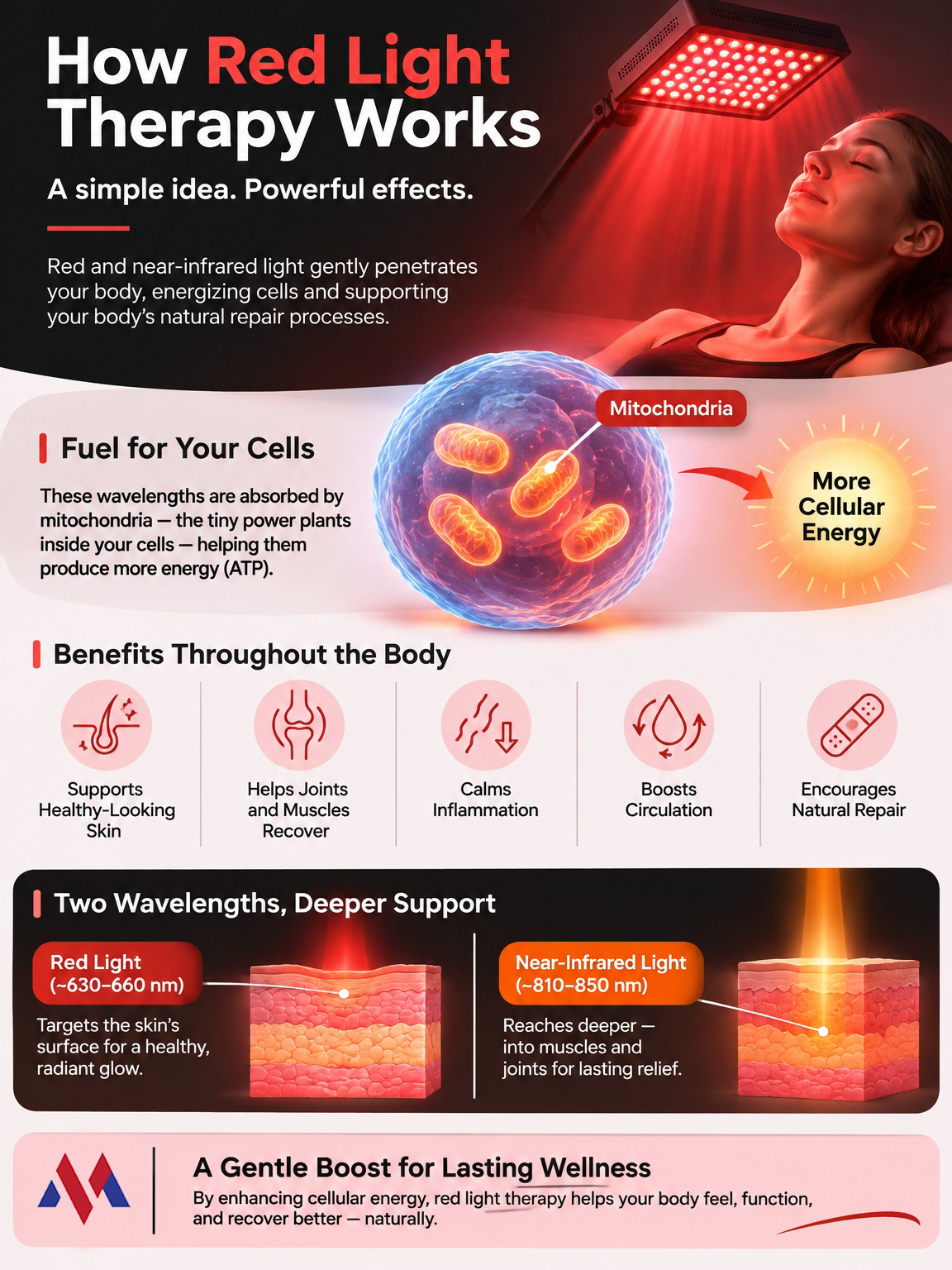
Light therapy works by shining gentle, targeted beams of red and near-infrared light onto the body, allowing your cells to absorb the light energy and put it to work. Unlike ultraviolet rays from the sun, these wavelengths don't burn or tan your skin; they act more like a battery boost for stressed or sluggish cells.
Inside each cell are tiny power plants called mitochondria, and red and near-infrared light help them make cellular fuel more efficiently. With extra energy on hand, cells can handle everyday wear and tear more easily, calm irritated tissue, and keep normal repair processes moving.
Red wavelengths stay closer to the surface to support skin comfort and appearance, while near-infrared wavelengths reach deeper into muscles and joints, where recovery often feels slower. Blood flow in the treated area can also get a helpful nudge, bringing fresh oxygen and nutrients right where they are needed.
Overall, it gives your body a gentle, drug-free assist so your own natural healing and maintenance systems can run more smoothly over time.
Health Benefits of Near-Infrared Light Therapy for Recovery and Joint Comfort
Longer near-infrared wavelengths (810nm, 830nm, 850nm, and 1060nm) penetrate deeper into tissue than visible red light alone, supporting physical recovery and wellness goals alongside physician-guided care:
- Post-Activity Muscle Recovery: Supports cellular energy processes in fatigued or strained muscles after workouts, physical exertion, or active routines.
- Joint Comfort and Stiffness Relief: Helps ease everyday joint stiffness and supports comfortable movement across areas such as knees, shoulders, hips, and back.
- Healthy Local Circulation: Encourages blood flow and oxygen delivery in treated regions to aid normal tissue recovery.
- Integrative Wellness Support: Provides a non-invasive option within broader physician-supervised programs for patients managing Chronic Fatigue, Musculoskeletal Disorders, or ongoing physical stress.
How Photobiomodulation Interacts with Immune Function
For patients with immune concerns, clinical Light Therapy (photobiomodulation) acts as a supportive, non-invasive adjunct rather than a standalone cure or replacement for medical care. Research on photobiomodulation shows that red and near-infrared wavelengths interact with immune signaling and cellular energy pathways in ways that can be especially relevant when a patient's immune system is overactive, inflamed, or strained.
- Inflammatory Signaling Modulation: Studies indicate photobiomodulation can help shift inflammatory signaling toward balance by reducing pro-inflammatory messengers while supporting anti-inflammatory pathways in treated tissues. That calming effect is one reason clinicians explore it alongside medical management for inflammatory or Autoimmune Deficiency concerns.
- Cellular Energy and Oxidative Stress Support: Immune cells and surrounding tissues rely heavily on mitochondrial energy (ATP) and balanced redox signaling during recovery. Red and near-infrared light support mitochondrial efficiency and help temper excess oxidative stress in stressed tissues.
- Circulation and Recovery Support: Improved local microcirculation and tissue recovery can support comfort for patients dealing with fatigue, slow recovery, or physical stress alongside conditions such as Chronic Fatigue or Lyme Disease.
Important Clinical Considerations for Immune Patients
Because immune conditions vary widely, dosing, frequency, and timing matter, and too much stimulation or inappropriate timing can be counterproductive depending on the individual. At Victory Medical Institute, we review any protocol involving immune concerns with Dr. Kamal S. Kalsi, D.O., especially if you have an autoimmune condition, take immunosuppressive or photosensitizing medications, or are combining light therapy with other modalities like IV Therapy Infusions or Hyperbaric Chamber.
Cosmetic Benefits of Light Therapy for Skin Texture and Tone
Visible red wavelengths (630nm and 660nm) and targeted 480nm light work near the surface and upper layers of the skin without heat injury or recovery downtime:
- Collagen and Skin Texture Support: Red light wavelengths help support collagen activity for smoother-looking skin texture and softer-appearing fine lines over consistent sessions.
- More Even-Looking Skin Tone: Supports a brighter, more balanced complexion and helps improve overall skin appearance.
- Surface Blemish and Redness Care: Targeted light wavelengths help address surface skin concerns and calm visible redness without harsh resurfacing.
- Complementary Aesthetic and Hair Care: Pairs naturally with broader skin, Hair Regrowth, and Hair Rejuvenation plans overseen by our clinical team.
Who Is a Candidate for Light Therapy?
Adults in Morris Plains, New Jersey, and Manhattan, New York, who want a non-invasive option to support physical recovery or skin vitality are often strong candidates for clinical Light Therapy. Patients seeking relief from post-activity muscle soreness, everyday joint stiffness, or general wellness support frequently explore near-infrared photobiomodulation alongside physician-guided care plans. Those focused on aesthetic goals—such as smoother-looking skin texture, more even-looking tone, or support for skin and hair rejuvenation programs—may also benefit from targeted red and multi-wavelength light exposure.
At Victory Medical Institute, every protocol starts with a medical evaluation so your provider can confirm whether light therapy aligns with your health history and current medications. Anyone who is pregnant, has active skin malignancies, or takes medications that increase light sensitivity should review precautions with Dr. Kamal S. Kalsi, D.O., before starting sessions. This individual screening ensures your treatment plan stays safe, comfortable, and tailored to your goals.
Why Patients Choose PlatinumLED BIOMAX Red Light Therapy at Victory Medical Institute
Effective photobiomodulation depends on output strength, wavelength range, coverage area, and clinical oversight rather than guesswork. At Victory Medical Institute, our PlatinumLED BIOMAX panels combine a seven-wavelength clinical spectrum—480nm, 630nm, 660nm, 810nm, 830nm, 850nm, and 1060nm—in a single medical-grade system, so providers can target multiple tissue depths without piecing together separate devices.
Compared to compact consumer wands or masks, high-output clinical panels deliver consistent, repeatable session dosing across broader treatment zones. That reliable output helps practitioners standardize treatment distance and session timing for patients seeking structured care.
Because light therapy supports cellular energy processes, it can also fit alongside complementary treatments in a broader care plan. Depending on your evaluation with Dr. Kamal S. Kalsi, providers may pair Light Therapy with modalities such as Hyperbaric Chamber, IV Therapy, or Osteopathic Manipulative Medicine.
Case Study: Supporting Lyme Disease Recovery with Red Light Therapy
Daniel, a 42-year-old man from New Jersey, visited Victory Medical Institute after months of lingering joint stiffness, muscle aches, and low energy following a diagnosis of Lyme Disease. Even after completing initial antibiotic care, he felt worn down by daily physical fatigue and soreness that slowed his return to normal routines.
During his consultation, Dr. Kamal Kalsi, D.O., reviewed his full medical history, symptom timeline, and current medications to build a personalized supportive care plan. Dr. Kalsi included clinical Light Therapy using multi-wavelength panels as a non-invasive adjunct to support cellular energy and tissue comfort. Daniel started with guided sessions three times per week while following his broader physician-supervised recovery plan.
Each light session lasted around fifteen minutes with gentle warmth and no downtime afterward. Over the first three weeks, Daniel noticed less morning stiffness in his knees and shoulders along with steadier afternoon energy. By the eight-week mark, he reported noticeably easier movement during light walks and better day-to-day stamina. His provider periodically checked in to adjust session timing and ensure his overall care plan stayed aligned with his recovery goals.
While Light Therapy did not replace medical management of his condition, it gave him a comfortable, drug-free way to support local circulation and recovery. Daniel remained consistent with his appointments and appreciated having a calm, structured routine in the clinic. His experience illustrates how targeted light therapy can be one supportive piece in an individualized medical care plan.
Red Light Therapy Frequently Asked Questions
What happens inside cells during a Red Light Therapy session?
Red and near-infrared light reach target cells and interact with light-sensitive structures in the mitochondria, where cellular energy (ATP) is produced. Supporting this energy step helps cells carry out normal repair and recovery work without using heat to damage tissue.
Why does treatment distance from the PlatinumLED BIOMAX panel matter?
Light intensity changes with distance from the panel, so standing or sitting too far away lowers how much light energy reaches the target area. At Victory Medical Institute, your provider sets distance and session time based on your goals and the area being treated to keep dosing consistent.
Can I wear makeup, lotion, or sunscreen before a Light Therapy session?
Arrive with clean, bare skin on the treatment area whenever possible so lotions, makeup, oils, or sunscreens do not block or scatter the light. If you apply topical products earlier in the day, let your provider know during intake so they can advise on timing.
Do I need eye protection during a Light Therapy session?
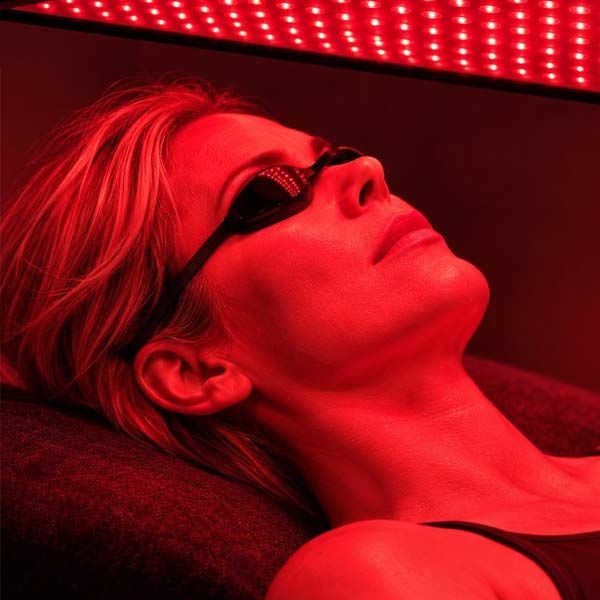
Yes, protective eyewear is recommended during sessions, especially when bright visible red and near-infrared panels are positioned near the face or upper body. Your provider supplies appropriate eye protection before turning on the panel.
How long does a typical Red Light Therapy appointment take at Victory Medical Institute?
Most light exposure windows run about 10 to 20 minutes, while a full visit may take slightly longer if you are doing intake, combining another modality, or reviewing your plan with Dr. Kamal S. Kalsi, D.O. Because there is no recovery downtime, patients can usually head straight back to work or daily errands afterward.
Can Red Light Therapy be scheduled on the same day as another visit?
Yes, many patients pair Light Therapy with other clinic services, such as IV THERAPY, Hyperbaric Chamber, or Osteopathic Manipulative Medicine, as part of a coordinated care plan. Your provider confirms the best order and timing for your visit based on your health goals and how you tolerate each service.
Who should ask a doctor before starting Light Therapy?
Anyone who is pregnant, has active skin cancer, or takes medications that increase light sensitivity should speak with Dr. Kamal S. Kalsi, D.O., before starting sessions. A quick medical check helps confirm whether photobiomodulation fits safely into your current health plan.t health plan.
Schedule Red Light Therapy in Morris Plains, NJ, or Manhattan, NYC
Clinical Light Therapy offers a non-invasive, physician-guided way to support cellular energy, joint comfort, post-activity recovery, and skin vitality without downtime. At Victory Medical Institute, Dr. Kamal S. Kalsi, D.O., and our care team tailor multi-wavelength sessions to your personal health or aesthetic goals across our Morris Plains, New Jersey, and Manhattan, New York, offices.
If you are ready to see how photobiomodulation can fit into your care plan, contact Victory Medical Institute or call (559) 550-4325 today to schedule an appointment.
Additional References
- Healing at the Speed of Light - NASA
- Red Light Therapy: Benefits, Side Effects & Uses - Cleveland Clinic
- Red light therapy: What the Science Says - Stanford Medicine